Water is part of nearly every routine at home. We use it to make coffee in the morning, wash vegetables for dinner, take a shower after a long day, and keep the house running smoothly. Because it’s so familiar, it’s easy to assume that the water coming from the tap is always in good condition. But changes in taste, stubborn stains, cloudy water, or an unusual smell can leave homeowners wondering what’s really flowing through their pipes.
The tricky part is that not every water quality issue is easy to recognize. Some problems leave visible marks, while others require proper testing to identify. Instead of buying filters based on guesswork, it makes sense to begin with a clearer understanding of the water itself. That small step can help you choose a treatment system that addresses the actual problem rather than one that simply sounds impressive.
Start by Looking at the Signs
Water can offer a few clues when something isn’t quite right. White residue on faucets and shower screens often points to hardness minerals. Reddish-brown stains around sinks or laundry fixtures may indicate iron, while sediment can sometimes make water look cloudy. An unpleasant taste or odor may also signal a need for further investigation.
Still, appearances can be misleading. Clear water isn’t necessarily free of contaminants, and an unusual taste doesn’t automatically mean the supply is unsafe. Different issues require different tests, so it’s best to avoid drawing firm conclusions from what you can see or smell.
Think about when the problem occurs, too. Does it affect every faucet or just one? Did it begin after plumbing work, heavy rainfall, or a change in the water supply? Is the problem worse after water has been sitting in the pipes overnight? These details may help a water professional narrow down possible causes.
A short list of observations, along with a few photographs of stains or deposits, can make a consultation more productive. You don’t need to become a water expert overnight; simply noticing patterns is a useful starting point.
Why In-Home Water Testing Can Be Helpful
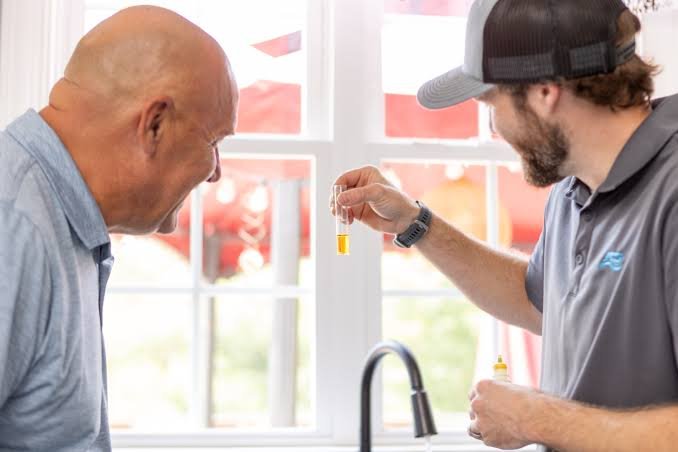
For many homeowners, arranging free in-home water testing is a convenient first step toward understanding their water quality. A qualified provider may visit the property, discuss concerns, examine the plumbing, and perform preliminary tests for selected water characteristics. This can help identify common issues such as hardness, certain minerals, or changes in pH.
The main advantage is convenience. Rather than trying to interpret every symptom alone, you can discuss the results with someone familiar with water treatment equipment and possible solutions. A home visit may also reveal practical factors that affect equipment selection, including available installation space, household size, and daily water use.
However, it’s worth understanding what the test actually covers. Some in-home assessments are designed primarily to demonstrate hardness or other basic properties. They shouldn’t automatically be treated as comprehensive safety evaluations. Ask which parameters will be measured, whether the results are quantitative, and whether the testing method is appropriate for your water source.
Be cautious of recommendations that arrive before the testing is complete or rely on dramatic demonstrations without clear measurements. A useful assessment should explain the findings in plain language, acknowledge any limitations, and give you room to consider your options without pressure.
When Laboratory Testing Is the Better Choice
Some questions need more detailed investigation than a basic home assessment can provide. Lab water analysis can measure specific substances using established laboratory methods, making it especially useful when health-related contaminants are a concern or when preliminary results are inconclusive.
Depending on the water source and local risks, testing may include bacteria, nitrates, arsenic, lead, pesticides, or other substances. Not every property needs every possible test. The appropriate panel depends on whether the water comes from a private well, a municipal supply, or another source, as well as the surrounding environment and any known concerns.
Sample collection matters just as much as the laboratory itself. Certain tests require sterile containers, specific handling procedures, or delivery within a defined period. Improper collection can affect the results, particularly for microbiological testing. Follow the laboratory’s instructions carefully, or arrange collection through a qualified professional when necessary.
Private well owners should pay particular attention to routine testing because their water quality can change with groundwater conditions, flooding, nearby land use, and well maintenance. Municipal water users may also need testing when there are concerns about plumbing materials, localized contamination, or changes occurring inside the property.
If testing identifies a potential health risk, follow advice from the relevant public health authority and use an appropriate alternative water source when recommended. Don’t rely on taste, appearance, or an ordinary household filter to establish that the water is safe.
Matching the Treatment to the Actual Problem
Once the results are available, the next task is choosing a suitable treatment method. This is where many homeowners can save money by avoiding unnecessary equipment.
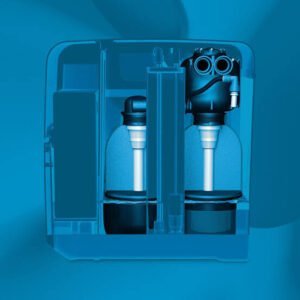
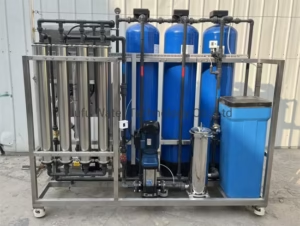
Hardness minerals, for instance, are commonly managed with a water softener. Sediment filters can reduce suspended particles, while activated carbon may improve certain tastes and odors and reduce particular chemical compounds. Reverse osmosis systems can reduce many dissolved substances, depending on the model and its certification. Ultraviolet treatment can inactivate certain microorganisms when the system is correctly selected, installed, and maintained.
These technologies aren’t interchangeable. A softener isn’t designed to remove every contaminant, and a carbon filter won’t necessarily address bacteria or dissolved metals. Even systems advertised as multi-purpose have specific performance limits.
Effective problem water solutions begin with identifying the concern, confirming it through suitable testing, and choosing equipment that has been shown to address the relevant substances. Ask for performance documentation rather than relying solely on broad claims printed on packaging or promotional materials.
It’s also sensible to consider ongoing costs. Filters need replacement, some systems consume electricity, and certain treatment processes generate wastewater. The cheapest equipment isn’t always the most economical choice over several years, particularly if replacement parts are expensive or difficult to obtain.
Don’t Forget Maintenance After Installation
Installing the right equipment is important, but it doesn’t finish the job. Filters gradually reach their capacity, softeners need appropriate regeneration, and disinfection systems require regular checks to maintain performance. Skipping maintenance can reduce effectiveness without producing an obvious warning.
Keep a record of installation dates, filter changes, service visits, and water test results. Follow the manufacturer’s maintenance schedule, and arrange additional testing when circumstances change. A new well, plumbing renovation, flood, or unexpected shift in water quality may justify another assessment.
For households with private wells, regular inspection of the well cap, surrounding drainage, and nearby potential contamination sources can also help protect the supply. Any damaged components or signs of intrusion should be addressed promptly.
Make Your Decision With Confidence
Water quality doesn’t have to be a mystery, and finding the right answer doesn’t require purchasing the most complicated system on the market. It starts with asking sensible questions, choosing appropriate tests, and understanding what the results actually mean.
Begin with the concerns you’ve noticed around your property. Find out whether a preliminary home assessment is sufficient or whether laboratory testing is needed. Then compare treatment options based on verified performance, installation requirements, maintenance, and long-term cost.
Most importantly, don’t let uncertainty push you into a rushed decision. Reliable water treatment is about solving a specific problem, not collecting equipment. With accurate information and a thoughtful plan, you can make choices that support better water quality and greater peace of mind for the people who depend on it every day.