Water is one of those things we tend to take for granted until something seems wrong. Maybe your drinking water has an unusual taste, white marks keep appearing on your taps, or your freshly washed clothes feel rougher than they should. These little frustrations can make everyday household chores surprisingly annoying. More importantly, they may be signs that your home’s water quality deserves a closer look.
Choosing the right water treatment system isn’t simply about making water taste better. It’s about understanding what’s coming through your taps, identifying the problems that matter most, and finding a practical solution that fits your household. With several options available, knowing where to begin can save you money, time, and plenty of unnecessary guesswork.
Start by Understanding Your Water Quality
Before buying any equipment, take a moment to understand the water you’re actually using. Water quality can vary considerably depending on where you live, whether your home relies on municipal supplies or a private borewell, and the condition of the plumbing.
Hard water is a common concern. It contains elevated levels of minerals, particularly calcium and magnesium, which can leave stubborn deposits on showerheads, kettles, and bathroom fixtures. You might also notice soap doesn’t lather easily, or your skin feels dry after bathing.
Other concerns are less visible. Depending on the source, water may contain excess dissolved solids, iron, sediment, or potentially harmful microorganisms. Certain chemical contaminants can also be present without affecting the water’s appearance, smell, or taste.
That’s why testing matters. A basic water test can identify hardness and other common issues, while a more comprehensive laboratory analysis may be appropriate when contamination is suspected. If you’re unsure about the quality of your supply, start there rather than choosing a product based on advertisements alone.
Finding the Right Solution for Drinking Water
For many households, drinking water is the first priority. People want water that tastes pleasant, feels reassuringly clean, and is suitable for daily consumption. However, different filtration technologies address different problems, so there’s no single system that’s perfect for every home.
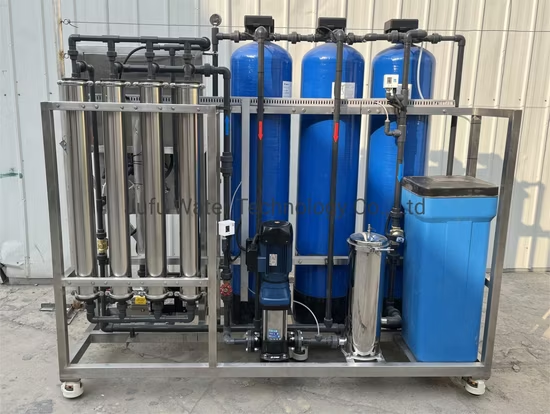
One popular option is reverse osmosis, a purification process that pushes water through a semipermeable membrane to reduce many dissolved substances. Depending on the system and its certification, it can help reduce certain salts, metals, and other contaminants. This makes it worth considering when water testing identifies elevated dissolved solids or particular substances that the selected unit is designed to remove.
Still, reverse osmosis isn’t automatically necessary for everyone. Some water supplies may need only basic filtration or targeted treatment. RO systems can also discharge some water during operation, although efficiency varies between models. Before purchasing one, check its contaminant-reduction claims, maintenance requirements, and water recovery rate.
Activated carbon filters offer another useful approach. They can improve taste and odour and reduce certain chemicals, including chlorine, when the filter is designed for those substances. Sediment filters, meanwhile, trap suspended particles that can make water look cloudy or damage downstream equipment.
In some homes, a combination of technologies makes sense. The important thing is to match the treatment method to the actual water problem instead of assuming that more filtration always means better water.
When the Whole House Needs Attention
Drinking water isn’t the only water worth thinking about. The water used for bathing, washing dishes, doing laundry, and cleaning also affects everyday comfort and household maintenance.
If you regularly notice mineral deposits around taps, scale inside appliances, or soap scum on bathroom surfaces, treating water at the point where it enters your property may be worth considering. A whole home treatment system can address selected water-quality issues across multiple outlets, rather than treating water at a single kitchen tap.
These systems vary considerably. Some use sediment filtration to capture particles, while others incorporate activated carbon to improve taste and odour or specialised media to address particular contaminants. The right configuration depends on the water source, the issues identified through testing, and how much water your household uses.
There is one important distinction, though: whole-house filtration doesn’t necessarily mean complete purification. A standard sediment or carbon filter won’t automatically remove every dissolved contaminant or eliminate all microbial risks. Systems need to be selected according to their specific capabilities.
Households using borewell water may have different treatment requirements from those receiving treated municipal water. In either case, understanding the supply before installing equipment helps prevent unnecessary expense and gives the system a better chance of performing as intended.
Don’t Overlook Hard Water
Hard water can be a nuisance even when it presents no significant health concern. Mineral buildup makes cleaning more difficult, reduces the efficiency of certain appliances, and can gradually affect water heaters, washing machines, and plumbing fixtures.
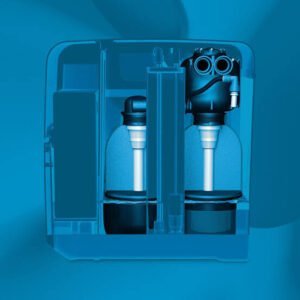
This is where water softeners can make a noticeable difference. Traditional ion-exchange softeners replace hardness minerals, mainly calcium and magnesium, with sodium or potassium ions. The result is softer water that generally produces less scale and allows soap to work more effectively.
For families dealing with persistent hardness, the practical benefits can be easy to appreciate. Shower screens may require less scrubbing, laundry can feel different, and appliances may need less frequent descaling. The actual results depend on the original water hardness, system sizing, and maintenance.
However, softening isn’t the same as removing every contaminant. A water softener isn’t designed to replace drinking-water filtration or disinfection when those treatments are needed. Conventional systems also require salt or another suitable regenerant, and the discharge from regeneration should be considered when planning installation.
If someone in your household needs to restrict sodium intake, discuss the implications of softened drinking water with a healthcare professional. In some cases, leaving the kitchen cold-water supply untreated or using a separate drinking-water filter may be appropriate.
Think About Maintenance Before You Buy
A water treatment system is not a one-time purchase that can be forgotten. Filters become exhausted, membranes eventually need replacement, and certain systems require periodic cleaning or professional servicing.
Before choosing a model, find out how often consumables need replacing and whether replacements are readily available in your area. Ask about installation costs, electricity consumption, water wastage, and expected servicing expenses. A system that looks affordable initially may cost considerably more over several years.
Sizing is equally important. A small unit may struggle to meet the needs of a large family, while an oversized system can waste money and space. Consider the number of people in your household, daily water consumption, peak demand, and available installation space.
It’s also worth checking whether the manufacturer provides independent performance certifications for the specific contaminants you want to reduce. General claims about purity are less useful than clear, verifiable evidence of what a system can actually do.
Make Water Quality a Long-Term Priority
The best water treatment system isn’t necessarily the most expensive or technologically advanced one. It’s the system that addresses your water’s specific problems, suits your household’s daily needs, and remains practical to maintain.
Start with a reliable water test, compare treatment options carefully, and don’t hesitate to ask a qualified professional for advice when the results are complicated. For some homes, a simple filter will be enough. Others may benefit from a drinking-water purifier, a softener, or a carefully designed combination of treatments.
Ultimately, better water quality is about more than spotless taps or a better-tasting glass of water. It’s about making informed choices that support everyday comfort, protect household equipment, and help ensure the water you use is appropriate for its intended purpose. Get the fundamentals right, and the rest becomes much easier to manage.