Water has a way of becoming part of the background until something goes wrong. Perhaps the shower leaves your skin feeling dry, the kitchen faucet develops stubborn white deposits, or your freshly washed glasses come out of the dishwasher looking cloudy. These little annoyances can seem unrelated, but sometimes they point to the same underlying issue: the quality of the water entering your home.
The tricky part is knowing what to do next. There are plenty of water treatment products available, and the choices can quickly become overwhelming. One company recommends a softener, another suggests filtration, and a third promises that its equipment can handle almost everything. Before making an investment, it helps to understand what your household actually needs.
Start by Understanding What Is Happening
Not every water issue has the same cause. Hard water, for example, contains elevated levels of calcium and magnesium. These minerals are naturally present in many water sources, and while they are not generally considered a health hazard at typical drinking-water concentrations, they can create plenty of household frustration.
Soap may struggle to lather, shower doors can develop cloudy marks, and mineral deposits may accumulate around faucets. Over time, scale can also affect water-using appliances, depending on the severity of the hardness and how the equipment is maintained.
Other concerns require a different approach. A metallic taste could be associated with iron or plumbing materials, while an unpleasant smell may have several possible explanations. Sediment can enter water from the source or plumbing, and certain contaminants cannot be identified simply by looking at a glass of water.
These water problems are easier to address when you know their source. Instead of buying equipment based on a neighbour’s recommendation or an online advertisement, begin with a water test. The results can help identify hardness, iron, pH, and other relevant characteristics. If you use a private well, regular testing is especially important because its quality can change with weather, groundwater conditions, and nearby activities.
Why a Water Softener May Make Everyday Life Easier
Hard water is one of the most common reasons homeowners explore treatment options. You might notice that soap scum builds up quickly in the bathroom or that your kettle develops a chalky layer after repeated use. Even cleaning can become a little more time-consuming when mineral deposits keep returning.
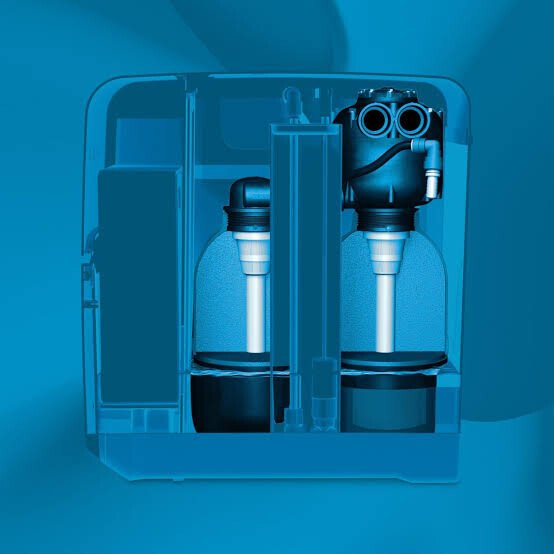
A conventional ion-exchange water softener reduces hardness by exchanging calcium and magnesium ions for other ions, usually sodium. The result is water that is less likely to produce the scale associated with hard water. Depending on the household and its existing water conditions, this can help reduce mineral buildup on plumbing fixtures and make cleaning easier.
For families who prefer equipment that operates without electrical power, kinetico non-electric water softeners may be worth exploring. Kinetico offers water treatment equipment that uses water-powered mechanisms in its non-electric softener designs. Because specific models and configurations vary, homeowners should confirm the features, capacity, installation requirements, and maintenance needs of the unit being considered.
Non-electric does not mean maintenance-free. The system still needs an appropriate supply of regenerant salt, periodic checks, and servicing when necessary. It must also be correctly sized for the household’s water consumption and hardness level. A system that is too small may struggle to meet demand, while a poorly configured installation may not deliver the expected results.
One other point deserves attention: softening and filtration are different processes. A softener is intended primarily to address hardness minerals. It should not be treated as a complete solution for every drinking-water concern.
Do You Need Filtration as Well?
The answer depends on what is present in the water and how you use it. A water softener may help with scale, but it does not automatically remove sediment, disinfectants, or every unwanted substance. Filtration systems are designed to target particular contaminants or improve specific characteristics, depending on the technology used.
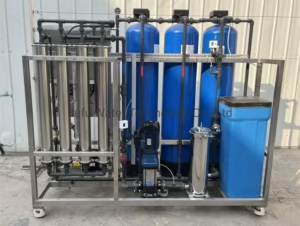
Sediment filters can capture particles such as sand and rust flakes. Activated carbon filters can reduce certain substances that affect taste and odor, including chlorine under suitable operating conditions. Reverse osmosis systems can reduce a range of dissolved substances when appropriately selected, installed, and maintained.
Some households benefit from treating all incoming water, while others need a dedicated filter for drinking and cooking. A family concerned mainly about chlorine taste, for example, may have different requirements from a property dealing with elevated iron in well water.
Before choosing a filtration system, check its certified performance claims and the contaminants it is designed to reduce. The NSF or another recognized certification body may provide useful information about specific products and treatment claims. Remember that certification applies to particular standards and capabilities, not necessarily every substance a system might encounter.
Consider the Cost Beyond the Purchase Price
It is easy to focus on the initial price of water treatment equipment. However, the real cost includes installation, consumables, maintenance, and the expected lifespan of the system.
A softener may require salt and occasional servicing. Filters need replacement according to the manufacturer’s schedule, while some treatment systems use electricity or require a drain connection. If your water has unusually high iron levels or other challenging characteristics, additional pretreatment might be necessary.
Think about household water use, too. A home with several bathrooms and frequent laundry loads may need a different system capacity from a small apartment. The cheapest unit is not necessarily the most economical option if it cannot keep up with daily demand or needs frequent repairs.
It can be helpful to compare two or three suitable options rather than every product on the market. Ask suppliers to explain what their equipment will address, which issues it will not address, and what routine ownership will involve. A trustworthy recommendation should be based on your water test results, not simply on selling the largest available system.
Getting an Estimate Without Guesswork
Once you have a clearer picture of your water quality, requesting an estimate becomes much easier. You can provide useful details, such as your water source, the number of people living in the home, the number of bathrooms, and any noticeable problems.
If a supplier offers a quick quote, use the opportunity to ask about more than the equipment price. Find out whether the estimate includes installation, plumbing modifications, initial supplies, and any follow-up service. It is also sensible to ask whether an in-person assessment or additional water testing is needed before the final recommendation can be confirmed.
Be cautious of estimates that promise to solve every issue without asking about your water conditions. No single treatment method is ideal for every home, and a responsible provider should be willing to explain the limitations of its equipment.
Written estimates are useful because they allow you to compare similar services. Check the model number, system capacity, warranty terms, maintenance requirements, and any exclusions. A slightly higher initial price may represent better value if the system is more appropriate for your household and includes reliable support.
A Better Approach to Water Treatment
Improving household water does not have to become a complicated project. The most effective approach is often a simple one: identify the problem, test the water, select suitable equipment, and maintain it properly.
If hard water is leaving deposits throughout the house, a correctly sized softener may be a sensible starting point. If the concern involves drinking-water taste or a specific contaminant, an appropriate filtration system may be more useful. In some homes, combining technologies is the right choice, but that decision should follow the evidence rather than marketing claims.
Good water treatment is not about buying the most advanced equipment or installing more filters than you need. It is about making informed choices that suit your home, your budget, and your everyday routine.
Take the time to understand your water before committing to a solution. With the right information and a little planning, you can reduce unnecessary maintenance, make household chores easier, and choose a system that provides practical value for years to come.