Most people don’t think too much about the water coming out of the kitchen faucet. It’s just there. You fill a glass, rinse vegetables, make coffee, run the dishwasher, maybe water the dog’s bowl. As long as it looks clear, it feels easy to assume everything is fine.
But water can be a little sneaky.
Taste, smell, hardness, sediment, chlorine, minerals, and invisible contaminants can all affect the way water feels and performs inside a home. Sometimes the signs are obvious, like cloudy glasses, dry skin, or a strange smell near the sink. Other times, the issue shows up slowly, in worn-out appliances, buildup around faucets, or laundry that never feels quite as fresh as it should.
That’s why more homeowners are taking a closer look at water purification not as a luxury, but as a practical part of maintaining a healthier and more comfortable home.
Why Tap Water Isn’t Always the Whole Story
Municipal water is treated before it reaches your home, and in many places, it meets required safety standards. Still, “safe” and “ideal” are not always the same thing. Water travels through pipes, storage systems, and neighborhood infrastructure before it reaches your glass. Along the way, it can pick up minerals, sediment, chlorine taste, or other unwanted elements.
Private wells bring their own concerns too. Well water can vary greatly depending on soil conditions, nearby land use, and natural mineral content. One home may have water that smells slightly metallic, while another just a few streets away may struggle with hardness or staining.
The frustrating part is that water problems rarely come with a neat label. A homeowner might notice spots on dishes and assume the dishwasher is failing. Someone else may blame shampoo for dry hair, when hard water is the real culprit. It’s not always dramatic, but it does add up.
Hard Water Can Be More Than Annoying
Hard water is one of the most common household water issues. It usually contains higher levels of calcium and magnesium, which sound harmless enough, and in many ways they are. But inside a home, those minerals can cause scale buildup in pipes, fixtures, water heaters, and appliances.
You might see white crust around faucets or showerheads. Soap may not lather well. Clothes can feel stiff after washing. Over time, appliances may work harder than they should, which can affect performance and lifespan.
This is where water softeners & filtration systems often make a noticeable difference. A softener helps reduce hardness minerals, while filtration can target taste, odor, sediment, chlorine, and other concerns depending on the system used. The right setup depends on the water itself, not just a one-size-fits-all product.
Filtration Should Match the Problem
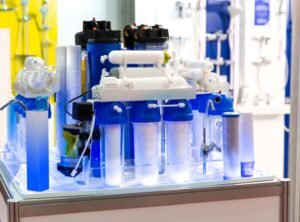
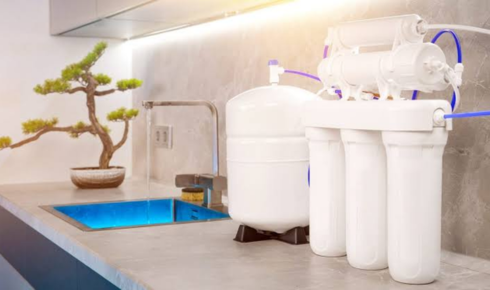
Not every water system does the same job. That’s important. A basic carbon filter may improve taste and reduce chlorine, but it won’t necessarily solve hard water. A reverse osmosis system can provide highly filtered drinking water, but it may not protect plumbing throughout the entire house. A whole-home system can treat water before it flows through showers, sinks, laundry machines, and appliances.
The best approach usually starts with testing. Without knowing what’s actually in the water, choosing a system can feel a bit like buying shoes without knowing your size. It might work, but it might not.
For some homes, the biggest issue is taste. For others, it’s scale, sediment, iron, sulfur smell, or concerns about contaminants. Once those details are clear, the solution becomes much easier to choose.
Why Local Water Conditions Matter
Water quality can change from one city to another, and sometimes even between neighborhoods. Soil, source water, treatment methods, older pipes, and local infrastructure all play a role. Homeowners in the greater houston area, for example, may deal with different water concerns depending on whether they rely on municipal supplies, well water, or specific community systems.
That local variation is exactly why generic advice only goes so far. A system that works beautifully for one household may not be the best fit for another. Local testing, local experience, and a proper home assessment can save a lot of wasted money and frustration.
Better Water Feels Different in Daily Life
Clean, balanced water doesn’t just sit in a report. You feel it in small ways. Coffee tastes smoother. Ice looks clearer. Skin may feel less dry after a shower. Soap rinses more easily. Faucets stay cleaner for longer. Appliances may run more efficiently because they aren’t fighting mineral buildup every day.
And honestly, peace of mind matters too. There’s comfort in knowing the water your family drinks, cooks with, and bathes in has been properly evaluated and treated.
It’s not about being paranoid. It’s about being practical.
A Good System Should Be Simple to Live With
One mistake people make is thinking water treatment has to be complicated. A properly designed system should fit into everyday life without becoming another chore. Filters need maintenance, of course, and softeners may need salt, but good planning makes upkeep manageable.
The goal is not to install the biggest or most expensive system. The goal is to install the right system. That means matching the equipment to your water test results, household size, plumbing setup, budget, and long-term needs.
A family of five using lots of laundry, showers, and cooking water may need a different solution than a retired couple in a smaller home. There’s no shame in that. Water treatment works best when it’s personal.
Final Thoughts
Water is one of those things we use constantly but rarely stop to question. Yet when it’s improved, the difference can be surprisingly noticeable. Better taste, fewer stains, softer laundry, healthier plumbing, and more confidence in what’s coming from the tap — those benefits are not small.
A smart water solution begins with understanding the water you already have. From there, the right system can make daily life cleaner, easier, and a little more comfortable.
And really, that’s what good home improvement should do.