Clean water is one of those things you don’t think about much until something feels off. Maybe the shower leaves your skin dry. Maybe your coffee tastes a little flat. Or maybe you’ve noticed cloudy glasses coming out of the dishwasher even after a full cycle. These small annoyances often point to a bigger household issue: the water coming into your home may need a little help before it reaches your tap.
For many homeowners, improving water quality starts with understanding what different systems actually do. The names can sound technical, but the idea is simple enough. Some systems deal with hardness. Some remove sediment, chlorine, odours, or other unwanted substances. Others focus on drinking water only. The right choice depends on your water source, your home’s plumbing, and what bothers you most day to day.
Why Water Quality Matters More Than People Realise
Water touches almost everything in the house. It goes into your food, your laundry, your appliances, your bathroom fixtures, and, of course, your body. When water has too much mineral content, chlorine smell, rust particles, or unpleasant taste, it can quietly affect comfort and cost.
Hard water, for example, may not look dangerous, but it can be annoying and expensive over time. It leaves scale on taps, builds up inside water heaters, and makes soaps less effective. That means more cleaning, more detergent, and sometimes shorter appliance life. This is where water softeners can make a noticeable difference, especially in areas where calcium and magnesium levels are high.
The Everyday Problem of Hard Water
Hard water often shows up in ordinary ways. You might notice white marks around faucets, stiff laundry, dull hair, or soap that never quite lathers properly. Over time, scale can collect inside pipes and appliances too. It’s not always dramatic at first, but it adds up.
A softening system works by reducing hardness minerals before the water moves through the rest of your home. The result is usually easier cleaning, smoother-feeling water, and less scale buildup. Many people also find that their water heater runs more efficiently because it isn’t fighting mineral deposits all the time.
Still, softening is not the same as full filtration. That’s an important point. A softener mainly addresses hardness. It doesn’t automatically remove every taste, smell, chemical, or fine particle from the water.
When Filtration Makes More Sense
If your concern is taste, odour, sediment, chlorine, or general water freshness, filtration may be the better conversation. A good filtration setup can make water feel cleaner throughout the house, not just at one sink. It can also help protect fixtures and improve the water used for bathing, cooking, and washing.
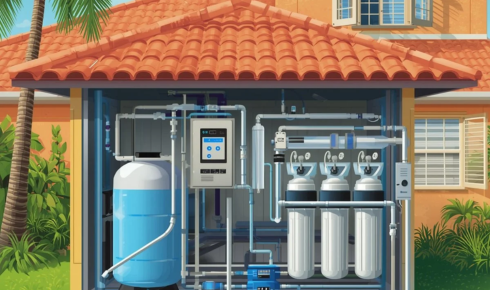
Many homeowners choose whole home water filtration because it treats water at the point where it enters the property. That means filtered water flows to showers, sinks, laundry machines, and kitchen taps. It’s a practical option for families who don’t want to rely only on a small pitcher or a single faucet filter.
The exact filter type matters, though. Some systems use carbon to reduce chlorine and odours. Others target sediment, iron, sulphur smells, or specific contaminants. That’s why testing your water first is usually smarter than guessing.
Drinking Water Needs a Closer Look
Drinking water is a little different from general household water. You may want your shower water to smell better and your appliances to last longer, but the water you drink every day needs extra attention. Taste, clarity, and possible dissolved substances all matter here.
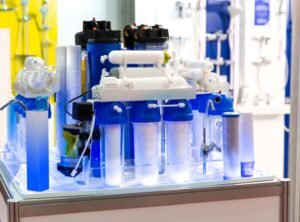
This is where reverse osmosis systems often come in. These systems are usually installed under the kitchen sink and are designed to reduce a wide range of dissolved impurities from drinking and cooking water. The result is often crisp, clean-tasting water that works well for tea, coffee, soups, and everyday hydration.
Reverse osmosis is not always needed for every home, but it can be a strong choice when taste is poor or when water testing shows specific concerns. It’s also popular with people who want to stop buying bottled water, which saves money and cuts down on plastic waste over time.
One System, or a Combination?
There isn’t one perfect water system for every household. A home with hard municipal water may benefit from a softener and a carbon filtration system. A rural property using well water might need sediment filtration, iron treatment, softening, and a drinking water system. Another home may only need a simple under-sink solution.
The best setup usually comes from matching the system to the problem. It’s a bit like going to a doctor: you wouldn’t want treatment before knowing what’s actually wrong. Water testing gives you the facts, then the system can be designed around those results.
Think About Maintenance Before Buying
A water system should make life easier, not become another household headache. Before choosing one, it’s worth asking how often filters need changing, how much salt a softener may use, whether professional servicing is needed, and what the long-term running cost looks like.
Cheaper systems can look attractive at first, but if they need constant filter changes or don’t solve the real issue, they may cost more in the long run. A well-sized, properly installed system usually performs better and lasts longer.
The Quiet Benefits You Notice Later
The nice thing about better water is that the benefits often show up slowly. Your kettle stays cleaner. The shower glass doesn’t spot as badly. Clothes feel softer. Coffee tastes better. Skin feels less dry. You may not celebrate it every morning, but you notice when the water simply behaves better.
For families, that kind of everyday improvement matters. Water is not a luxury feature hidden in the background. It is part of daily comfort, health, cleaning, cooking, and home care.
A Better Home Starts at the Tap
Choosing a water treatment system doesn’t have to be confusing. Start with what you notice, test the water, and then choose a solution that fits the home rather than chasing the biggest or most expensive option.
Good water should feel normal. It should taste clean, work well with soap, protect your appliances, and give you confidence every time you turn on the tap. When the right system is in place, you don’t need to think about water constantly. It just does its job, quietly and reliably, the way it should.