We trust water every single day without giving it much thought. It fills our glasses, cooks our meals, brews our morning coffee, and keeps our families clean and healthy. Yet the surprising truth is that clear water isn’t always clean water. Many contaminants have no smell, no taste, and no visible signs, making them almost impossible to detect without proper analysis.
That’s why water testing has become more important than ever. Whether your home relies on a private well or a municipal water supply, understanding what’s actually flowing through your taps gives you confidence and peace of mind. It’s a simple step that can help prevent bigger problems later, from plumbing issues to potential health concerns.
Water Quality Isn’t Always What It Seems
One of the biggest misconceptions homeowners have is believing that if water looks clean, it must be safe. Unfortunately, water can contain minerals, bacteria, heavy metals, or chemical residues without changing its appearance at all.
Natural groundwater can collect minerals as it moves through soil and rock, while aging infrastructure may introduce additional contaminants before water reaches your home. Even treated municipal water can experience changes as it travels through older pipes.
Testing removes the guesswork. Instead of assuming everything is fine, you get real information about what’s actually in your water and whether any improvements are necessary.
Every Home Has Different Water Challenges
No two water sources are exactly alike. A neighborhood supplied by city water may experience chlorine-related taste issues, while a nearby home using a private well could have elevated iron or sulfur levels.
Seasonal weather also plays a role. Heavy rainfall, flooding, nearby construction, or agricultural activity can temporarily change groundwater quality. That’s why experts often recommend periodic testing instead of relying on results from years ago.
Water conditions evolve over time, and regular testing helps homeowners stay ahead of unexpected changes.
Choosing the Right Laboratory Matters
Accurate results depend on accurate analysis. While inexpensive home test strips can offer a quick snapshot of a few measurements, they rarely provide the complete picture needed to make informed decisions.
Many homeowners prefer go simple lab because professional laboratories follow standardized procedures that deliver more detailed and reliable information. A comprehensive report helps identify both obvious and hidden water quality concerns instead of focusing on only one or two factors.
Having dependable results makes it much easier to choose the right filtration system—or determine that no treatment is necessary at all.
Why Professional Testing Offers Better Confidence
Professional analysis goes beyond basic measurements. Laboratories evaluate multiple characteristics including bacteria, pH balance, hardness, nitrates, heavy metals, and other potential contaminants depending on your specific concerns.
With certified lab testing, homeowners receive results backed by established quality-control processes rather than rough estimates. That level of accuracy becomes especially valuable when making decisions about drinking water safety or investing in filtration equipment.
Instead of buying products based on marketing claims, you’re making decisions based on actual data.
Collecting a Water Sample Correctly
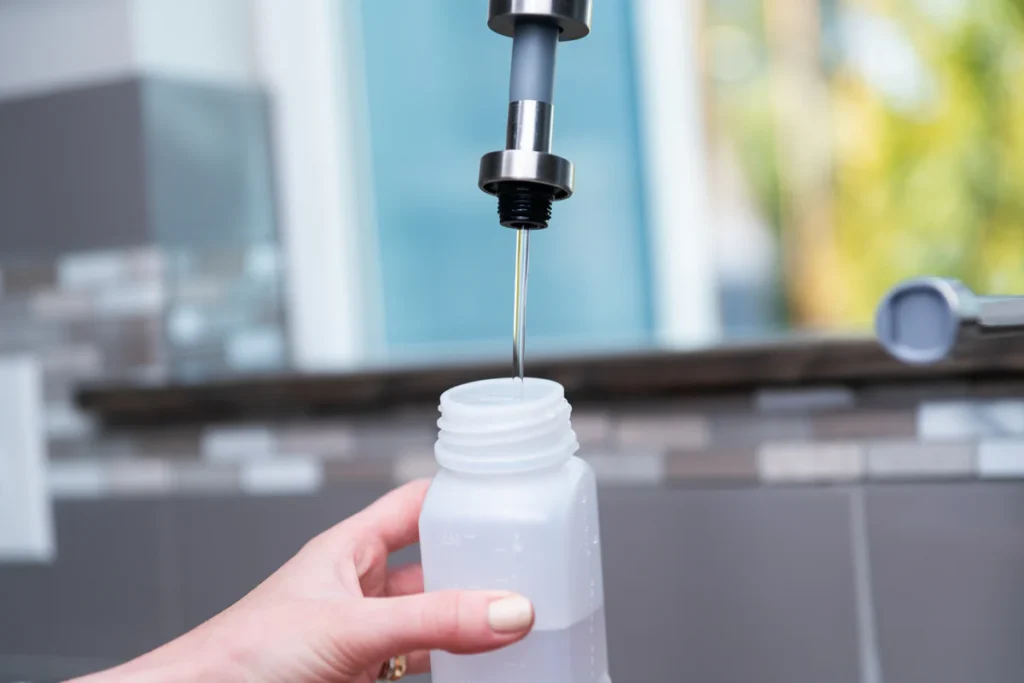
Even the most advanced laboratory can’t provide reliable results if the collection process isn’t handled properly. That’s why following sampling instructions carefully is essential.
A clean container, proper handling, and timely delivery all help preserve the integrity of your water sample. Small details—like avoiding contamination from your hands or collecting from the correct faucet—can make a significant difference in the final report.
Fortunately, most laboratories provide easy-to-follow instructions that simplify the process for homeowners.
Understanding Your Test Results
Receiving a laboratory report can feel a little overwhelming at first. There are numbers, abbreviations, technical terms, and guideline values that may seem unfamiliar.
The good news is that most reports include explanations or reference ranges showing whether each measurement falls within acceptable limits. If something appears elevated, professionals can explain what it means, whether it’s a health concern, or simply an aesthetic issue affecting taste or appearance.
Not every result requires immediate action, but every result provides valuable insight into your home’s water quality.
Water Testing Can Save Money Over Time
Many people think of water testing only as a health measure, but it can also protect household investments.
Hard water, for example, slowly damages water heaters, dishwashers, coffee makers, washing machines, and plumbing fixtures by leaving behind mineral scale. Iron can stain sinks, tubs, toilets, and laundry. Sediment can reduce appliance efficiency and shorten equipment lifespan.
Identifying these problems early often allows homeowners to install appropriate treatment before expensive repairs become necessary. In that sense, a relatively inexpensive laboratory analysis may prevent much larger maintenance costs later.
When Should You Test Your Water?
Although every situation is different, several circumstances make testing especially worthwhile.
It’s a good idea when purchasing a new home, after moving into a property with a private well, following major plumbing work, after flooding, or whenever water suddenly changes in taste, odor, or appearance.
Even if everything seems normal, routine testing every year or two helps establish a baseline and catch developing issues before they become serious.
Think of it like an annual health checkup—not because something is wrong, but because prevention is always easier than correction.
Peace of Mind Is Worth More Than You Think
One of the greatest benefits of water testing isn’t something you’ll find on a laboratory report. It’s confidence.
Knowing your family is drinking safe water eliminates unnecessary worry. If treatment is recommended, you’ll know exactly why. If everything checks out perfectly, you’ll avoid spending money on filtration systems you may not actually need.
That clarity is surprisingly valuable in a world filled with conflicting advice and endless product advertisements.
Final Thoughts
Water quietly supports nearly every part of daily life, yet it’s often one of the least understood resources in our homes. Because many contaminants remain invisible, assumptions simply aren’t enough when it comes to protecting your family’s health and your home’s plumbing system.
Professional water testing provides facts instead of guesses. It helps identify potential concerns early, supports smarter treatment decisions, extends the life of household appliances, and gives homeowners genuine confidence in the water they use every day.
Whether you’re maintaining a private well, relying on municipal water, or simply curious about your home’s water quality, taking the time to test your water is a practical investment. The process is straightforward, the information is valuable, and the peace of mind that comes afterward is something you’ll appreciate every single time you turn on the tap.