There’s something quietly unsettling about turning on your tap and wondering what’s really coming out of it. Most of us don’t think twice about water until it starts tasting off, leaving stains, or drying out our skin. Then suddenly, it matters—a lot.
I’ve had that moment myself. You pour a glass, hesitate, maybe sniff it (like that helps), and take a cautious sip. It’s not always terrible, just… not right. And that’s often where the story begins.
The Hidden Story Behind Your Tap Water
Water isn’t just water. Depending on where you live, it carries a mix of minerals, chemicals, and sometimes even contaminants that quietly affect your daily life. Hard water, for example, is common in many areas and can leave behind scale in pipes, reduce appliance efficiency, and make soaps less effective.
Then there are less obvious issues—like excess iron or chlorine. They don’t always scream for attention, but over time, they change how your water behaves. Laundry feels stiff. Glassware looks cloudy. Your skin feels dry no matter what moisturizer you use.
This is where water treatment solutions come into the picture—not as a luxury, but as a practical step toward better living.
Why Testing Your Water Actually Matters
Before fixing anything, it makes sense to understand the problem. That’s where a simple test can be surprisingly powerful.
A lot of homeowners skip this step, assuming their water is “good enough.” But water quality can vary even within the same neighborhood. One home might have mild hardness, while another deals with high iron levels.
Getting a free water test is often the easiest starting point. It gives you a clear snapshot—what’s present, what’s excessive, and what needs attention. No guesswork, no assumptions. Just facts.
And honestly, once you see the numbers, things start to click. That strange taste? Explained. Those stubborn stains? Makes sense now.
When Hard Water Becomes a Daily Problem
Hard water is one of those issues that creeps into your routine without asking permission. You notice it in small ways first—soap not lathering well, hair feeling rough, maybe that chalky buildup on faucets.
Over time, though, it becomes more than a minor inconvenience. It affects appliances, shortens the lifespan of your water heater, and increases energy bills because systems have to work harder.
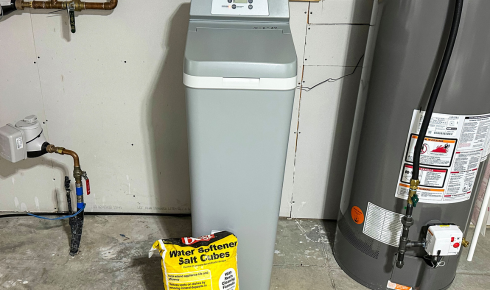
That’s where water softeners can quietly change the game. They don’t make dramatic noise about it, but they do their job—removing excess calcium and magnesium, making water feel smoother, more manageable.
It’s one of those upgrades people rarely regret.
Small Changes, Noticeable Differences
One thing people often underestimate is how much better everyday life feels with improved water quality. It’s not just about drinking water—though that’s important—but also about how water interacts with everything else.
Showers feel softer. Clothes come out cleaner. Even your kitchen starts to look different—no more stubborn spots on dishes or sinks.
And there’s a subtle peace of mind that comes with knowing your water isn’t working against you.
Choosing the Right Approach (Without Overthinking It)
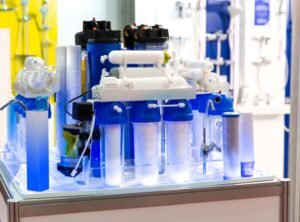
Here’s where things can get a bit overwhelming. There are filters, softeners, reverse osmosis systems, UV purifiers… the list goes on. It’s easy to fall into a rabbit hole of options.
But the truth is, not every home needs everything.
Start simple:
- Test your water
- Identify the main issue
- Choose a targeted solution
That’s it.
Sometimes, a basic filtration system is enough. Other times, a combination works best. The key is not to overcomplicate things. Water treatment doesn’t have to be a massive project—it can be a series of small, smart decisions.
The Human Side of Clean Water
We often talk about water in technical terms—minerals, ppm levels, filtration methods. But at its core, this is about comfort. About trust.
It’s about pouring a glass without hesitation. Letting your kids drink from the tap without second thoughts. Taking a shower that actually feels refreshing instead of drying.
There’s something deeply reassuring about knowing the basics of your home—like water—are taken care of.
A Thought to Leave You With
If your water feels even slightly off, don’t ignore it. It’s one of those things that’s easy to overlook until it becomes a bigger issue.
Start small. Ask questions. Test what you have.
Because sometimes, improving your home doesn’t require a big renovation or a huge investment. Sometimes, it just starts with understanding what’s flowing through your pipes—and making it better, one step at a time.