There’s something quietly essential about water in a home. You turn on the tap, and it’s just… there. For drinking, cooking, cleaning—no questions asked.
At least, that’s how it’s supposed to feel.
But every now and then, something shifts. Maybe your tap water tastes a bit off. Maybe your shower leaves your skin feeling dry, or your appliances start showing signs of buildup. It’s subtle at first, easy to ignore. But once you notice it, you start wondering what’s really going on behind the scenes.
When Water Quality Starts to Show Itself
Most water issues don’t arrive with a big warning sign. They show up in small ways—spots on dishes, stiff laundry, or that faint metallic taste you can’t quite place.
It’s not always about safety. Often, it’s about comfort.
That’s where people begin exploring water treatment solutions. Not because something is dramatically wrong, but because things aren’t quite right either. It’s about improving what you already have, making everyday use a little smoother.
And honestly, once you experience better water quality, it’s hard to go back.
The Problem with Hard Water (Even If You Don’t Notice It)
Hard water is one of the most common issues in homes, though not everyone realises it right away.
You might see white residue on faucets. Soap might not lather as easily. Towels feel rougher than they should. These are all signs, but they don’t always feel urgent.
Over time, though, hard water takes a toll—not just on your comfort, but on your appliances. Mineral buildup can reduce efficiency, shorten lifespan, and lead to more frequent maintenance.
That’s why water softeners have become such a popular choice. They don’t just improve how water feels—they help protect everything it touches.
Showers feel gentler. Clothes come out softer. Even your dishes look cleaner. It’s one of those changes that quietly improves daily life.
Drinking Water: A Different Conversation
While hard water affects comfort and appliances, drinking water brings a different set of concerns.
Taste, clarity, and purity matter more here. You want to feel confident about what you’re consuming, not just tolerate it.
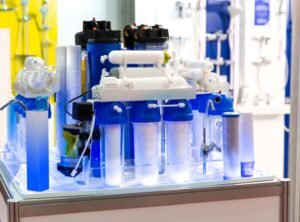
That’s where reverse osmosis systems come into the picture. They’re designed to remove impurities at a deeper level, filtering out contaminants that standard systems might miss.
The result? Water that tastes cleaner, feels lighter, and gives you that small but important sense of reassurance.
It’s not just about health—it’s about peace of mind.
Choosing What Actually Fits Your Home
Here’s the tricky part: not every home needs the same solution.
Some households struggle more with hard water, while others are focused on improving drinking quality. In many cases, it’s a mix of both.
The key is understanding what you’re dealing with before jumping into a solution. A quick water test can reveal a lot—mineral levels, contaminants, overall quality.
From there, it becomes easier to decide what makes sense. Not based on trends or recommendations, but on what your home actually needs.
The Subtle Benefits You Might Not Expect
What’s interesting about improving water quality is how many small benefits show up over time.
Your appliances run more efficiently. You use less detergent. Your skin feels better after a shower. Even your morning coffee tastes a bit different—cleaner, somehow.
None of these changes are dramatic on their own. But together, they create a noticeable shift in how your home feels.
It’s one of those upgrades that doesn’t demand attention—it just quietly improves things.
Maintenance: The Part People Forget
Installing a system is one thing. Maintaining it is another.
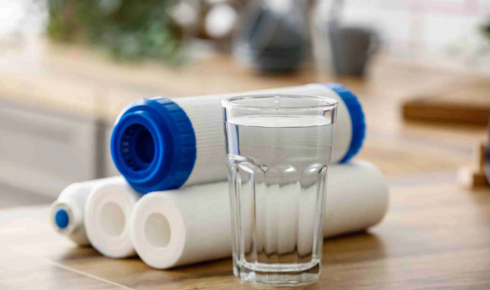
Filters need replacing. Systems need occasional checks. It’s not complicated, but it does require consistency.
Skipping maintenance can undo all the benefits over time. Water quality might slowly decline again, and you might not notice until it’s already affecting your daily routine.
A little attention goes a long way here.
When It’s Worth the Effort
Some home improvements are easy to appreciate right away—new furniture, fresh paint, visible upgrades.
Water quality isn’t like that. It’s subtle. It works in the background.
But that doesn’t make it less important.
In fact, because it touches so many parts of your daily life, it might be one of the most impactful changes you can make—without it ever feeling like a big change.
Final Thoughts: The Comfort of Getting It Right
At the end of the day, water is something we rely on constantly. We don’t question it, we don’t think about it—we just expect it to be there, doing its job.
Improving it isn’t about fixing something broken. It’s about making something good even better.
So if you’ve been noticing small changes—whether it’s the feel, the taste, or the way your appliances are behaving—it might be worth paying attention.
Because sometimes, the simplest improvements are the ones that make everyday life feel just a little bit easier.