Maintaining a comfortable home environment goes far beyond choosing the right furniture or setting the ideal thermostat temperature. True household comfort depends heavily on systems that operate behind the scenes, specifically your ventilation pathways and heating flues. Air ducts and chimneys serve as the respiratory system of your home. When these channels are clear, clean, and functioning efficiently, your family breathes fresher air and stays safe from severe hazards like house fires or dangerous gas buildup. However, because these systems are hidden inside walls and above ceilings, they are frequently neglected until visible symptoms or dangerous situations arise.
Understanding how proper maintenance impacts your indoor climate, energy expenditures, and personal safety helps you make informed choices about home care. Routine upkeep ensures that forced air systems and fire features operate at peak performance, keeping heating bills low and preventing costly structural repairs down the line.
Why Indoor Air Quality Demands Regular Attention
The air inside a modern home recycles constantly through the heating and cooling network. Over time, microscopic debris accumulates within the ductwork. Dust, pet dander, pollen, mold spores, and construction dust settle inside the metal channels. Every time your air conditioner or furnace cycles on, these trapped particles circulate back into your living rooms and bedrooms.
For households with family members who suffer from seasonal allergies, asthma, or respiratory sensitivities, degraded indoor air quality can cause constant discomfort. Symptoms such as unexpected morning congestion, frequent sneezing, unexplained eye irritation, or lingering odors often stem directly from polluted duct systems. Cleaning these pathways reduces the volume of airborne contaminants, creating a cleaner living space and reducing dust accumulation on furniture surfaces.
Beyond health considerations, clean air ducts support mechanical longevity. Dust buildup on the blower motor, coils, or internal components forces your HVAC system to work harder to push air through the house. This extra strain leads to higher electricity bills and accelerates wear and tear on expensive equipment, frequently causing premature mechanical breakdowns.
The Hidden Hazards of Chimney Neglect
While air ducts control daily circulation, chimneys manage high-temperature exhaust from fireplaces, wood stoves, and fuel-burning appliances. Fireplaces offer warmth and ambiance, but burning wood produces dangerous byproducts, including smoke, water vapor, unburned gases, and creosote.
Creosote is a dark, tar-like substance that adheres to the interior lining of your chimney flue. During the initial stages of wood burning, creosote deposits as a flaky coating. Over time, as more fires are lit, this material bakes into a dense, highly flammable glaze. If the temperature inside the flue reaches a critical point, accumulated creosote can ignite, sparking a rapid chimney fire that can easily spread to the frame of your roof and nearby walls.
Another critical danger associated with unmaintained flues is carbon monoxide exposure. Birds, squirrels, and insects frequently build nests near the top of open chimneys during warmer months. Leaves, debris, and structural masonry decay can also collapse inward, partially or completely blocking the flue passage. When you light a fire under a blocked flue, odorless and colorless carbon monoxide gas cannot escape outdoors, causing it to backdraft directly into your home.
Key Indicators That Your Systems Need Maintenance
Homeowners often wonder when it is time to schedule a professional evaluation. Recognizing early warning signs allows you to address minor issues before they become expensive emergencies.
- Visible dust clouds escaping from supply vents whenever the fan turns on.
- Dark, soot-like smudges surrounding air registers or along ceiling borders.
- Musty or stale odors emanating from vents when the heating or cooling engages.
- Uneven airflow between different rooms in the house.
- Excessive soot buildup or dark creosote glazing visible inside the fireplace firebox.
- Smoke entering the living room instead of rising directly up the chimney.
- Unusual animal sounds, fluttering, or rustling coming from inside the flue pipe.
Addressing these symptoms promptly prevents minor blockages from evolving into full system failures or health risks.
What Happens During Professional Servicing
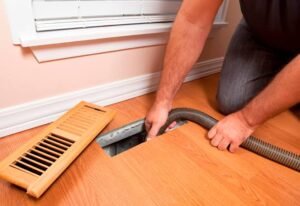
Professional maintenance relies on specialized equipment designed to extract contaminants without dispersing them into your living areas. During a thorough duct cleaning, technicians connect a high-powered vacuum system to the main trunk line, placing the entire duct network under negative pressure. They then use rotary brushes, air whips, and compressed air nozzles to dislodge stubborn debris from the inner walls of the ductwork, pulling every particle straight out into containment units outside the home.
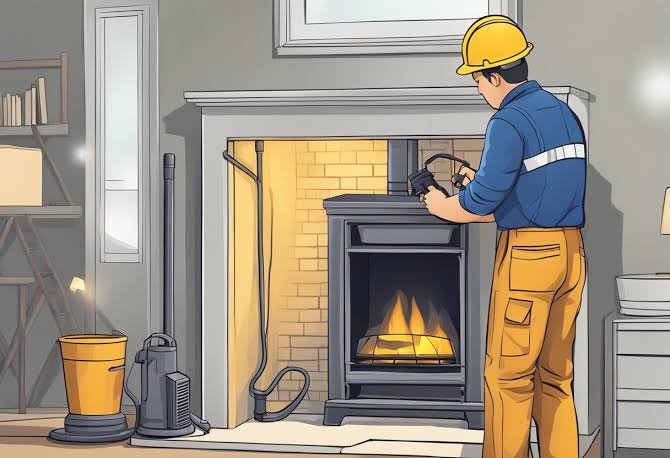
Chimney maintenance follows a similarly structured approach. Specialists inspect the firebox, damper mechanism, smoke chamber, and flue liner for structural cracking or dangerous deposits. Using heavy-duty brushes and specialized vacuum equipment, they scrub away creosote buildup from the liner walls. The technician also checks the exterior chimney cap and crown to ensure rain, snow, and wildlife cannot enter the structure.
When seeking experienced specialists for comprehensive home care, partnering with top-rated Maryland chimney and air services ensures your systems are thoroughly inspected, cleaned, and restored to peak safety standards.
Long-Term Benefits of Integrated System Care
Integrating regular duct and flue maintenance into your annual home care routine yields immediate and lasting advantages.
First, your home operates far more efficiently. Clean ductwork reduces air resistance, enabling your heating and cooling equipment to reach target temperatures quickly while using less electricity or natural gas. Similarly, a clean chimney flue provides optimal draft, allowing wood fires to burn hotter, cleaner, and with far less smoke output.
Second, proper care protects the structural integrity of your property. Chimney leaks caused by cracked crowns or missing caps let rainwater enter the structure, causing severe masonry deterioration, drywall damage, and internal timber rot. Regular inspections spot these minor exterior defects long before water leaks cause extensive damage inside your walls.
Finally, proactive maintenance delivers complete peace of mind. Knowing that your indoor air is clear of heavy allergen loads and that your fireplace is free of combustible creosote hazards allows you to enjoy a safer, healthier, and more comfortable home environment all year round.