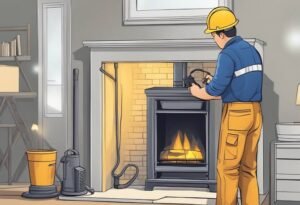
Indoor air quality plays a fundamental role in household health, structural comfort, and long-term energy efficiency, yet it remains one of the most neglected aspects of residential upkeep. Most homeowners dedicate hours to scrubbing floors, wiping down kitchen counters, and dusting furniture, but the hidden network of air passages behind walls, under floors, and throughout attics receives very little attention. Your heating, ventilation, and air conditioning system continuously circulates air through these metallic or flexible pathways every single day. Over months and years, this continuous movement deposits a thick, persistent layer of dust, pet dander, pollen, textile fibers, and microscopic debris along the interior walls of your ductwork.
Failing to address this hidden debris accumulation can lead to rising monthly utility expenses, unnecessary strain on expensive mechanical components, and compromised air quality for everyone residing in the home. Understanding how air ducts operate, identifying early warning signs of system contamination, and utilizing dedicated air system solutions can transform your living environment into a cleaner, far more energy-efficient space.
The Hidden Mechanics of Your Home Ventilation Network
Every time your thermostat triggers a heating or cooling cycle, the blower unit draws indoor air into the return vents, conditions it through heat exchangers or cooling coils, and forces it back into your bedrooms and living areas. This closed loop mechanism means that whatever settles inside your ductwork is repeatedly swept up and re-circulated throughout your home. While larger dust particles fall onto furniture, lighter microscopic particles stay floating in the air stream, continuously passing through your family,s living spaces.
In a standard residence, ductwork acts as an unintended storage basin for everyday environmental waste. Skin flakes, pet dander, outdoor particulate matter pulled in through doors, and fine dust from clothing accumulate steadily. Over time, this layer of grime grows thick enough to alter static pressure inside the ventilation network. When static pressure rises, your heating and cooling equipment must work significantly harder and run longer to deliver the requested room temperature. This added effort drains extra electricity, accelerates component wear, and eventually leads to costly mechanical failure.
Key Signs Your Ventilation System Requires Attention
Your home HVAC network provides several clear indications when it is struggling under heavy dust accumulation. Paying attention to these early warnings helps you take corrective action before minor performance issues turn into major equipment repairs.
Frequent Dust Settling After Cleaning
If you finish dusting your furniture only to notice a fresh, gray film settling back down across flat surfaces within a few hours, your duct system is likely saturated. When supply lines are coated in dust, every furnace or air conditioning cycle blows fine particles straight into your living areas rather than filtering them out.
Unexpected Utility Cost Increases
A sudden increase in monthly heating or cooling bills without a change in weather patterns often points to internal airflow friction. Dust deposits create surface drag along the interior lining of the ductwork. The blower motor consumes noticeably more electricity to overcome this resistance, driving up operating costs month after month.
Stale or Musty Indoor Odors
Persistent, earthy smells whenever the blower turns on indicate organic accumulation inside the supply or return registers. Ambient moisture can mix with trapped dust in dark air channels, creating favorable conditions for microbial growth that spreads stale odors into every room.
Temperature Imbalances Between Rooms
When certain bedrooms feel uncomfortably warm while others stay chilly, heavy dust blockages or dislodged joint sections may be restricting air distribution. Disrupted branch lines prevent balanced airflow from reaching the outer edges of your floor plan.
Long-Term Benefits of Keeping Your System Clean
Investing in regular, targeted care for your ventilation system yields widespread benefits that enhance daily life and safeguard your financial investment in your home.
Extended HVAC System Lifespan
Heating and cooling equipment ranks among the largest capital investments in any property. Replacing a complete heat pump, furnace, or condensing unit requires significant financial resources. Keeping the connecting air pathways free of heavy blockages allows mechanical components to run within their ideal factory parameters, drastically reducing thermal fatigue and extending total operational life.
Enhanced Respiratory Health and Comfort
For household members coping with seasonal allergies, asthma, or general sensitivities, clean air pathways offer immediate physical relief. Eliminating major allergen reservoirs reduces irritants in the air, leading to clearer breathing, better night time sleep, and a fresher overall living environment.
Simplified Daily Housekeeping
A well-maintained air system keeps dust trapped and managed effectively rather than blowing it across your furniture, drapery, and flooring. Homeowners frequently report that routine household cleaning becomes much easier and far less frequent once the underlying duct network is restored to optimal cleanliness.
Essential Preventive Care Steps for Homeowners
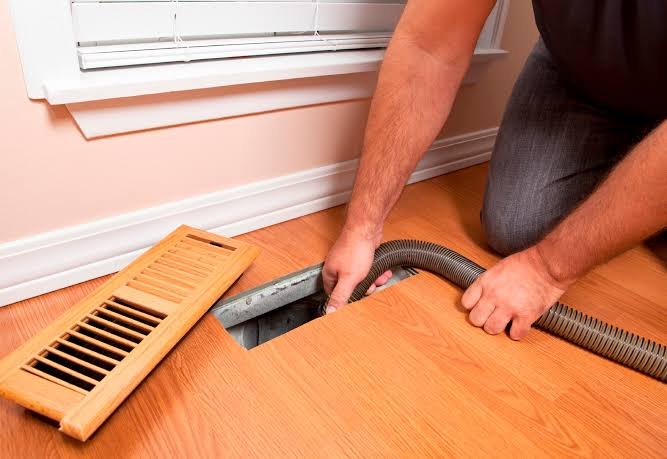
While deep structural clearing demands high powered industrial vacuum equipment and rotobrush tools, homeowners can perform straightforward preventive measures to support ongoing system health.
- Replace Filters on Schedule: Change standard furnace filters every one to three months depending on pet presence and household activity. Quality pleated filters catch fine particles before they reach return ducts.
- Keep Registers Unblocked: Walk through your home regularly to ensure floor, wall, and ceiling vents remain unobstructed by heavy furniture, thick rugs, or long drapes.
- Wipe Down Grille Surfaces: Vacuum vent covers and wipe down louvers with a damp microfiber cloth to stop surface dust from getting pulled back into the duct boot.
- Inspect Exterior Units: Keep outdoor condenser units clear of fallen leaves, grass clippings, weeds, and mud to ensure smooth, unhindered overall air exchange.
- Manage Indoor Moisture: Maintain relative humidity levels below fifty percent to prevent damp conditions that encourage mold spores inside dark air channels.
Choosing Professional Care for Complete Peace of Mind
Simple DIY maintenance goes a long way toward keeping air moving, but long-term accumulation requires professional grade equipment designed to reach deep inside your walls. Over time, sticky grime and compressed dust adhere tightly to sheet metal and flexible ducting. Professional technicians use specialized negative pressure machines, high volume air whips, and mechanical brush systems to dislodge debris safely without puncturing sensitive duct walls or tearing insulation linings.
If you have recently finished a major remodeling project, dealt with pest activity, noticed visible mold around register boots, or simply cannot remember the last time your air network was evaluated, bringing in experienced specialists is the safest path forward. When you are ready to explore tailored treatments for your home, take a moment to See our full range of cleaning options provided by certified technicians who can evaluate, test, and restore your system to peak efficiency.
Taking proactive control of your home air distribution network delivers immediate dividends in lower utility costs, consistent room temperatures, and a healthier living space for your family. Giving attention to what lies behind your walls ensures that the air you breathe every day remains clean, safe, and comfortably fresh.