Water is one of those things we rarely think about until something feels off. Maybe your tap water starts tasting metallic. Maybe your shower leaves your skin feeling dry, or you notice stubborn white spots on dishes that never seem to disappear. These little annoyances often seem unrelated, but they usually point to one common issue—your home’s water quality.
The interesting part is that water can look perfectly clean while still carrying minerals, chemicals, or other contaminants that affect how it tastes, smells, and performs throughout your home. That’s why paying attention to what comes out of your tap isn’t just about convenience. It’s about creating a healthier, more comfortable living environment for everyone under your roof.
Why Water Quality Matters More Than Most People Realize
Clean water touches nearly every part of daily life. It’s the first thing many people drink in the morning, the water used to cook meals, wash vegetables, bathe children, and even keep household appliances running efficiently.
When water contains excessive minerals or unwanted contaminants, the effects slowly add up. Hard water can shorten the lifespan of washing machines, water heaters, and dishwashers. Chlorine can leave an unpleasant taste, while sediment may clog fixtures over time. Some contaminants aren’t even visible, making them harder to identify without proper testing.
Many homeowners assume municipal treatment means every drop is perfect. While public systems meet safety standards, water can still pick up minerals or impurities as it travels through aging pipes before reaching your home.
Understanding What’s Really in Your Water
Every water source is different. A family using city water may deal primarily with chlorine or disinfectant byproducts, while homeowners with private wells often face higher levels of iron, sulfur, manganese, or naturally occurring minerals.
Even neighboring homes can experience different water conditions because plumbing systems, local geology, and infrastructure vary from one property to another.
This is where water treatment becomes valuable—not because every home needs the same equipment, but because every home’s water has unique characteristics that deserve a customized solution.
Rather than guessing, understanding your specific water profile allows you to solve the actual problem instead of treating symptoms.
Common Signs Your Home May Need Attention
Sometimes water quality issues announce themselves loudly. Other times they’re subtle enough that families simply get used to them.
A few signs worth paying attention to include:
- White scale buildup on faucets and showerheads
- Dry skin or brittle hair after bathing
- Cloudy drinking water
- Metallic or sulfur-like odors
- Stained sinks or toilets
- Soap that refuses to lather properly
- Appliances requiring frequent maintenance
None of these automatically indicate a serious health concern, but they often suggest it’s time to investigate further rather than continuing to ignore the problem.
Better Water Benefits the Whole House
Improving your home’s water doesn’t just affect what’s in your glass. It changes the overall experience of living in your house.
You’ll often notice softer laundry, cleaner dishes, brighter clothing, smoother skin, and plumbing fixtures that remain cleaner for longer periods. Water heaters and other appliances also tend to operate more efficiently when mineral buildup is reduced.
Many homeowners describe the difference as something they didn’t fully appreciate until after making improvements. It’s similar to replacing an old mattress—you don’t realize how much better things could feel until you’ve experienced the upgrade.
In many cases, improved water quality starts here, with understanding the actual condition of your home’s water before deciding on any treatment options.
Why Professional Water Testing Makes Sense
It’s tempting to buy the first filtration system you see online, especially when advertisements promise to solve every water problem imaginable. Unfortunately, water doesn’t work that way.
Installing equipment without testing is a little like buying prescription glasses without an eye exam. You might get lucky—but chances are you’ll spend money solving the wrong issue.
Professional testing identifies hardness levels, pH balance, chlorine concentration, dissolved solids, heavy metals, bacteria, and other potential contaminants depending on your water source.
That information provides a reliable foundation for choosing solutions that actually fit your home’s needs instead of relying on marketing claims.
Preventing Bigger Problems Before They Start
One overlooked advantage of improving water quality is prevention.
Mineral deposits don’t develop overnight. They build slowly inside pipes, faucets, and appliances for years before causing noticeable problems. By the time repairs become necessary, replacement costs can be surprisingly high.
Likewise, unpleasant tastes and odors often worsen gradually, making homeowners adapt rather than address the root cause.
Regular maintenance, occasional testing, and the right treatment equipment can help avoid expensive surprises while keeping your plumbing system working efficiently for years.
Every Home Deserves a Personalized Solution
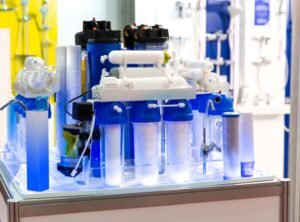
No single filtration system works perfectly for every household. Some families benefit most from whole-house filtration, while others primarily need a water softener or reverse osmosis drinking system.
The best approach depends on your water source, family size, plumbing, and daily usage patterns.
That’s why many professionals recommend starting with a free water test before making any investment. The results offer valuable insight into what’s actually happening with your water and allow homeowners to make informed decisions instead of educated guesses.
A customized recommendation almost always delivers better long-term value than choosing a generic solution off a store shelf.
The Comfort of Knowing What’s Flowing Through Your Home
There’s something reassuring about turning on the tap without wondering what’s actually coming out. Clean, balanced water makes ordinary routines just a little easier. Morning coffee tastes better. Showers feel more refreshing. Appliances perform more efficiently. Even simple chores become less frustrating.
These improvements aren’t flashy, and they probably won’t become dinner-table conversation. But over months and years, they quietly contribute to a healthier home and a more comfortable lifestyle.
Water is such a constant part of everyday life that it’s easy to overlook its importance. Yet few home improvements affect so many daily activities.
Taking the time to understand your water, identify potential issues, and choose solutions based on real information is an investment that pays dividends every single day. Whether you’re dealing with hard water, unpleasant odors, or simply want greater confidence in what your family drinks, making water quality a priority is one of those practical decisions you’ll likely appreciate for years to come.