Water is one of those things we tend to appreciate only when it isn’t quite right. Maybe your morning coffee has a strange aftertaste, your shower leaves your skin feeling dry, or you notice stubborn white spots on your faucets that seem impossible to clean. At first, these little annoyances don’t seem connected. Over time, though, many homeowners begin to realize they’re all telling the same story—the water entering the home deserves a closer look.
The interesting part is that improving household water isn’t simply about buying a filter. It’s about understanding how water behaves, where it comes from, and how small improvements can make everyday routines noticeably better. Whether you’re filling a reusable bottle before work or washing vegetables for dinner, the quality of your water quietly influences nearly everything you do.
Every Home Experiences Water Differently
People often assume everyone in the same neighborhood receives identical water. In reality, that’s rarely true.
Water travels through different plumbing systems, municipal pipelines, and local infrastructure before reaching individual homes. Along the way, mineral content, chlorine levels, sediment, and naturally occurring compounds may vary depending on location and the age of the distribution network.
Homes supplied by private wells face different challenges altogether. Groundwater changes with local geology, seasonal rainfall, and underground mineral deposits.
Because every property has unique conditions, the best solution isn’t always the most expensive one. It’s the one that actually matches the home’s specific water profile.
Looking Beyond Taste Alone
Most homeowners first notice water quality through taste.
Coffee seems a little flat.
Tea develops an unusual flavor.
Cold water isn’t quite as refreshing as it used to be.
Those are certainly good reasons to pay attention, but water quality influences much more than drinking.
Cooking, bathing, laundry, dishwashing, and even appliance performance all depend on the characteristics of the water entering your home. Hard minerals can leave residue on fixtures, while chlorine may affect taste and odor even when the water meets municipal safety standards.
Understanding these differences helps homeowners make smarter long-term decisions.
Why Modern Filtration Is About More Than One Filter
There’s a common misconception that a single filter solves every water concern.
It doesn’t.
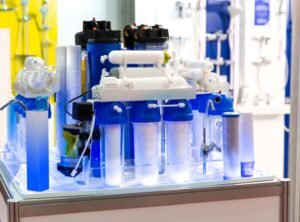
Effective water treatment and filtration usually combines several stages that work together. Sediment filters remove larger particles, carbon filters improve taste and odor, while more advanced technologies address specific contaminants depending on local water conditions.
This layered approach allows each stage to perform a particular job instead of forcing one filter to do everything.
The result is more consistent water quality and often a noticeably better everyday experience.
Instead of constantly buying bottled water or replacing inexpensive pitchers, many homeowners appreciate having reliable filtration built directly into their homes.
Making Better Use of Natural Resources
As conversations around sustainability continue to grow, homeowners are also exploring ways to use water more responsibly.
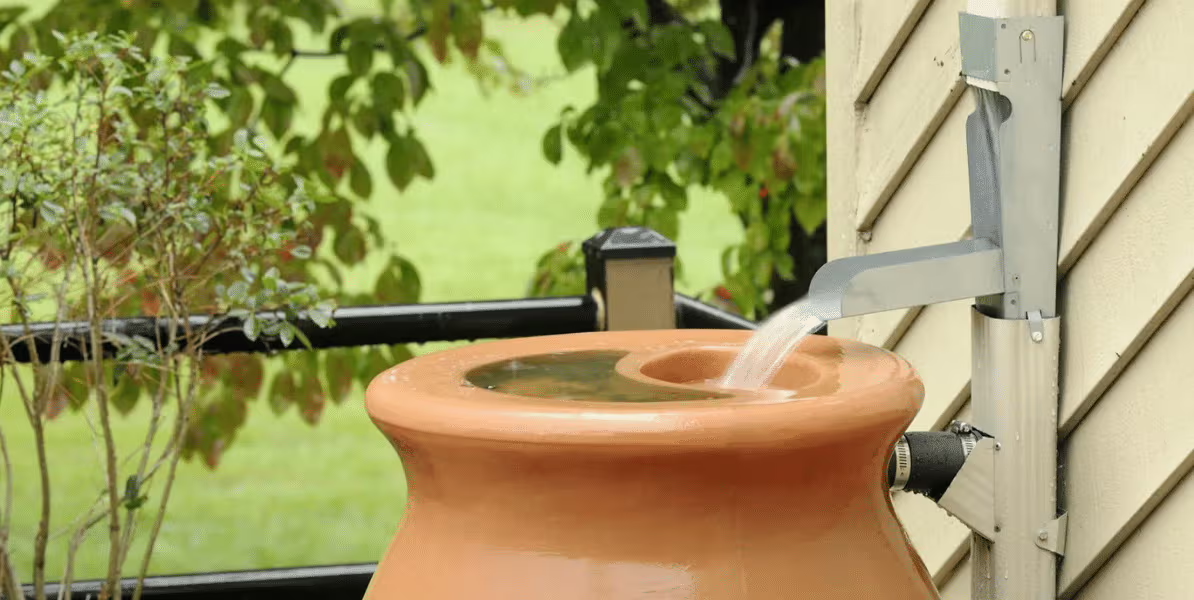
One practice receiving increasing attention is rainwater harvesting.
By collecting rainwater for outdoor irrigation, gardening, or other non-potable household purposes where regulations permit, families can reduce demand on municipal supplies while making better use of natural rainfall.
Of course, harvested rainwater intended for drinking requires appropriate treatment and should always follow local health regulations. Even when used only for landscaping, however, rainwater collection represents a thoughtful way to conserve valuable resources.
Sometimes sustainability begins with simple, practical decisions rather than dramatic lifestyle changes.
Hard Water Isn’t Just an Inconvenience
Hard water is one of the most common household concerns across many regions.
It isn’t necessarily unsafe, but the minerals it contains can create ongoing frustrations.
Soap becomes more difficult to rinse.
Glassware develops cloudy spots.
Showerheads accumulate mineral buildup.
Water heaters and plumbing fixtures may gradually lose efficiency over time.
That’s why many homeowners install water conditioners to reduce the effects of hardness and improve overall household performance.
Unlike solutions that merely hide symptoms, conditioning systems help manage the minerals responsible for many everyday frustrations.
The difference often becomes noticeable in laundry, cleaning, and even the lifespan of household appliances.
Understanding Before Buying
One of the smartest steps homeowners can take is resisting the urge to purchase equipment before understanding their water.
Professional water testing provides valuable information about mineral levels, hardness, chlorine, sediment, pH balance, and other characteristics that influence treatment recommendations.
This simple evaluation often prevents unnecessary spending.
Instead of purchasing oversized systems with features that may never be needed, homeowners can invest confidently in solutions that address their specific water conditions.
Knowledge almost always leads to better value.
Cleaner Water Benefits the Whole Household
The advantages of improving water quality extend far beyond filling a glass.
Fresh water enhances homemade soups, coffee, pasta, rice, and tea.
Many people find themselves drinking more water simply because it tastes better.
Families preparing meals appreciate greater confidence when washing fruits and vegetables.
Even guests occasionally notice the difference without quite being able to explain why.
These improvements don’t feel dramatic.
They’re simply small upgrades that quietly improve everyday living.
And perhaps that’s exactly why they matter.
Long-Term Maintenance Keeps Everything Working
Like any home appliance, water treatment equipment performs best with regular maintenance.
Filters eventually require replacement.
Conditioning systems may need occasional servicing.
Routine inspections help identify potential issues before they become expensive repairs.
Fortunately, modern systems are generally designed for straightforward maintenance, allowing homeowners to keep everything running efficiently without significant effort.
A little attention today often prevents much larger problems tomorrow.
Better Water Begins With Better Decisions
There’s no shortage of advertisements promising miracle filtration systems or instant solutions.
But cleaner water rarely comes from impulse purchases.
It comes from understanding your home’s unique needs, evaluating local water conditions, and selecting equipment designed for those specific challenges.
That thoughtful approach usually produces better long-term results than simply choosing the most expensive option on the shelf.
At the end of the day, water is woven into nearly every part of daily life. It fills your morning coffee cup, cooks your family’s meals, waters the garden, and supports countless routines that often go unnoticed.
Improving that experience doesn’t require perfection.
It simply requires paying attention.
Whether you’re exploring modern filtration, managing hard water, or considering more sustainable practices for the future, every informed decision contributes to a home that’s healthier, more efficient, and more enjoyable to live in.
Sometimes the biggest improvements aren’t the ones everyone sees. They’re the ones you appreciate every single day—one glass of clean water at a time.