There’s something easy to overlook about water. It’s always there. We drink it, cook with it, shower in it, wash our clothes, and barely give it a second thought until something feels off. Maybe the water leaves white spots on the dishes. Maybe it smells a little strange after a heavy rain. Or maybe your skin feels dry after every shower, and you never connected the dots.
The truth is, the quality of your home’s water has a bigger impact on daily life than most people realize. It affects comfort, health, plumbing, appliances, and even how your morning coffee tastes. And because every home receives water with different characteristics, finding the right solution isn’t about buying the most expensive equipment—it’s about understanding your water first.
Every Water Source Has Its Own Story
Not all water is created equal. Municipal water supplies go through treatment before reaching your home, while private wells depend on the surrounding geology and groundwater conditions. Even neighboring houses can experience different water quality depending on aging pipes, plumbing materials, or local mineral deposits.
Some homeowners deal with hard water loaded with calcium and magnesium. Others struggle with chlorine taste, sediment, iron staining, sulfur odors, or microscopic contaminants they can’t even see. That’s why assumptions rarely help. Water isn’t a one-size-fits-all situation.
Taking the time to understand what’s actually flowing through your taps is often the smartest first step, and it saves money in the long run by preventing unnecessary purchases.
The Hidden Costs of Ignoring Water Quality
Poor water quality doesn’t always announce itself with dramatic warning signs. Sometimes the clues are surprisingly subtle.
Soap refuses to lather properly. Glassware looks cloudy no matter how carefully it’s cleaned. Water heaters become less efficient. Faucets slowly collect stubborn mineral deposits. Towels lose their softness after repeated washing.
These little inconveniences slowly add up. Hard water, for instance, can reduce appliance efficiency by allowing mineral scale to build inside pipes, water heaters, washing machines, and dishwashers. Over time, those repairs and energy costs become much more noticeable than the original water issue itself.
Even if your drinking water meets safety standards, improving its overall quality can still make daily life noticeably more enjoyable.
Clean Water Goes Beyond Drinking
People often think about drinking water first, but water quality influences nearly every room in the house.
Cooking becomes easier when ingredients aren’t affected by chlorine or unusual mineral flavors. Coffee and tea develop richer taste. Fresh produce rinses cleaner. Showering feels more comfortable, and many people notice softer hair and smoother skin after addressing certain water issues.
Some homeowners also choose integrated systems that improve both water and indoor living conditions together. Modern solutions combining water filtration and air purification create a healthier environment by addressing two everyday essentials that families depend on without much thought.
While they’re separate systems, the goal is similar: reducing unwanted contaminants so the home feels cleaner and more comfortable overall.
Hard Water Is More Than Just a Cosmetic Problem
Hard water is incredibly common across many regions, yet plenty of homeowners live with it for years without realizing what’s happening.
The white crust around faucets isn’t simply annoying. It’s evidence of minerals accumulating wherever water flows. Inside plumbing, that same buildup can slowly reduce efficiency and increase maintenance needs.
Laundry may feel stiff. Soap residue clings to bathroom surfaces. Water heaters work harder because heating elements become insulated by mineral deposits.
Installing quality water softener systems helps reduce these issues by removing excess hardness minerals before they circulate throughout the home. The result isn’t just cleaner fixtures—it often means extending the lifespan of expensive appliances while improving everyday comfort.
It’s one of those upgrades that quietly pays for itself over time.
Testing First, Buying Later Makes Sense
Many homeowners start shopping for treatment equipment before knowing exactly what’s wrong with their water.
That’s understandable, but it’s a bit like buying glasses without having an eye exam.
A proper free water test helps identify the actual conditions affecting your household. Hardness, iron, manganese, pH levels, chlorine, sediment, and other factors can all influence which treatment options make the most sense.
Without testing, there’s always the risk of solving the wrong problem—or spending money on equipment that addresses issues your water doesn’t even have.
Knowledge really is the best investment here.
Choosing Solutions That Fit Your Home
Water treatment isn’t about finding the “best” system on the market. It’s about finding the right one.
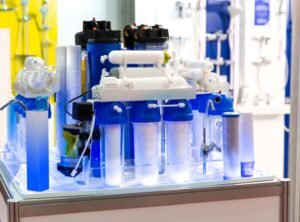
Some homes benefit from whole-house filtration. Others only need point-of-use drinking water filters beneath the kitchen sink. Families using well water may require specialized iron removal or UV disinfection, while municipal water customers often focus on improving taste and reducing chlorine.
Household size matters too. A family of six uses water very differently than a retired couple.
Good recommendations always consider daily water usage, plumbing layout, local water conditions, maintenance expectations, and long-term operating costs instead of focusing only on equipment features.
That’s what makes a solution practical rather than simply impressive on paper.
Maintenance Matters More Than Many People Expect
Installing a filtration system isn’t really the finish line.
Like any household equipment, water treatment systems need occasional maintenance to continue performing properly. Filters eventually reach capacity. Softeners require periodic servicing. UV lamps need replacement. Salt levels need monitoring if applicable.
Fortunately, routine maintenance is usually simple when performed on schedule.
Ignoring maintenance, however, can reduce efficiency and limit the benefits homeowners expect. A well-maintained system consistently delivers better results while helping protect the investment for years to come.
It’s much easier to prevent problems than to fix them later.
Better Water Creates Better Everyday Moments
One of the interesting things about improving water quality is that most people stop noticing it after a while—in the best possible way.
The strange taste disappears. Showers become more enjoyable. Appliances quietly last longer. Glasses sparkle without extra polishing. Coffee tastes a little richer. Laundry feels softer.
These aren’t dramatic lifestyle changes, but together they make home life noticeably better.
Water is one of those everyday essentials we rarely appreciate until it improves. Once it does, it’s surprisingly difficult to imagine going back.
Making informed decisions, starting with accurate testing and choosing treatment based on actual water conditions, gives homeowners confidence that they’re investing wisely. Cleaner, better-quality water doesn’t just protect plumbing and appliances—it supports healthier routines, greater comfort, and peace of mind every single day. Sometimes the simplest improvements are the ones we appreciate the most, especially when they quietly enhance life without asking for constant attention.