There’s a moment almost everyone has experienced. You walk inside after spending time in the blazing summer heat or on a cold winter morning, close the door behind you, and immediately feel your shoulders relax. That quiet sense of comfort is something we rarely think about until it disappears.
Heating and cooling systems work quietly in the background every day, often without a second thought. They don’t ask for much attention, and when everything is running smoothly, they’re easy to forget. But the moment temperatures become uneven, strange noises start coming from the vents, or energy bills unexpectedly climb, they suddenly become the most important appliances in the house.
The truth is, creating a comfortable home isn’t just about adjusting the thermostat. It’s about maintaining an entire system that influences how your family lives every single day.
Comfort Is Built Behind the Walls
When people imagine home comfort, they often picture a cozy living room or a cool bedroom during a hot afternoon.
Behind those moments is a surprisingly complex network of equipment working together.
The furnace or heat pump, air conditioner, ductwork, thermostat, filters, vents, insulation, and even ceiling fans all contribute to maintaining a stable indoor environment. If one part begins struggling, the rest of the system often works harder to compensate.
That’s why small problems rarely stay isolated for very long.
A clogged filter can reduce airflow. Restricted airflow increases strain on the blower motor. Extra strain forces the system to run longer, which gradually affects efficiency and overall performance.
Everything is connected.
Regular Service Is an Investment, Not an Expense
Many homeowners wait until their HVAC system stops working before calling a technician.
It’s understandable. If the house still feels comfortable, maintenance doesn’t seem urgent.
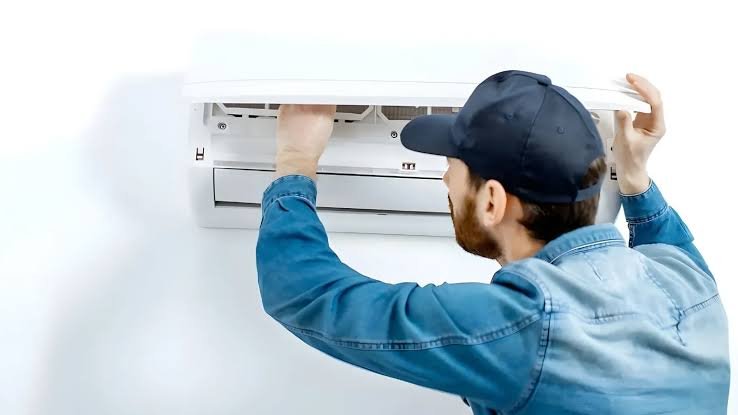
But preventive air conditioning services often catch small concerns before they become expensive emergencies. Cleaning coils, checking refrigerant levels, inspecting electrical components, testing airflow, and calibrating thermostats all help improve efficiency while reducing unnecessary wear on critical equipment.
It’s similar to servicing a vehicle.
Routine maintenance usually costs far less than replacing major components after they’ve failed unexpectedly.
More importantly, it helps homeowners avoid losing cooling during the hottest days of summer when service appointments become difficult to schedule.
Heating Deserves the Same Attention
It’s easy to focus on air conditioning because hot weather often feels more uncomfortable immediately.
Yet heating systems work just as hard throughout colder months.
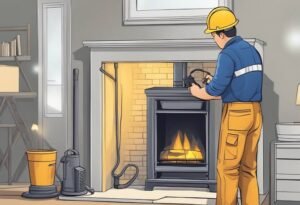
Reliable heating services help ensure furnaces, boilers, and heat pumps operate safely while providing consistent warmth when temperatures begin dropping. Regular inspections also identify worn components, ignition issues, airflow restrictions, or safety concerns before winter places heavy demand on the equipment.
There’s a certain peace of mind that comes from knowing your heating system has already been inspected before the first cold morning arrives.
Instead of wondering whether everything will work, you simply enjoy the comfort.
Air Quality Affects More Than Comfort
Temperature isn’t the only thing your HVAC system influences.
Every day, your heating and cooling equipment circulates the air your family breathes. Dust, pollen, pet dander, mold spores, and other airborne particles all move through the home unless they’re properly filtered or managed.
Improving indoor air quality often begins with surprisingly simple steps.
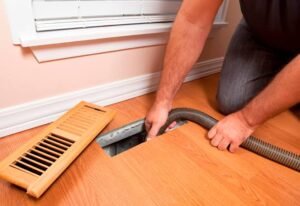
Replacing filters regularly, cleaning ductwork when necessary, controlling indoor humidity, maintaining ventilation, and using appropriate air purification systems can all contribute to healthier living conditions.
People with allergies or respiratory sensitivities frequently notice these improvements first, but cleaner air benefits everyone inside the home.
Sometimes feeling better starts with breathing better.
Rising Energy Bills Often Tell a Story
Utility bills don’t usually increase without a reason.
If heating or cooling costs suddenly rise despite similar weather conditions, the HVAC system may be working harder than it should.
Dirty filters, worn components, refrigerant issues, duct leaks, aging equipment, or restricted airflow all reduce efficiency over time. While the system may continue operating, it often consumes more energy just to maintain the same indoor temperature.
Addressing these concerns early typically lowers operating costs while extending equipment lifespan.
Efficiency rarely happens by accident.
It’s the result of consistent care.
Strange Sounds Shouldn’t Be Ignored
Every HVAC system makes some level of noise.
A gentle airflow through the vents or the occasional click during startup is completely normal.
However, banging, grinding, rattling, squealing, or repeated buzzing deserves attention.
These sounds often indicate loose components, worn bearings, blower motor issues, or other mechanical concerns that become more expensive if ignored for too long.
Listening to your equipment can be surprisingly valuable.
Sometimes the earliest warning signs arrive through sound rather than visible symptoms.
The Right Temperature Is About Balance
Many homeowners focus only on making rooms colder or warmer.
True comfort is more balanced than that.
Even temperatures throughout the house, proper humidity control, clean airflow, and quiet system operation all contribute to an environment that simply feels pleasant.
When every room remains comfortable without hot or cold spots, daily life becomes noticeably more enjoyable.
You stop thinking about the HVAC system because it’s doing exactly what it was designed to do.
That’s often the highest compliment any heating and cooling system can receive.
Choosing the Right HVAC Professional
Finding a trustworthy HVAC company involves more than comparing prices.
Look for experienced technicians who explain recommendations clearly, perform thorough inspections, answer questions honestly, and prioritize long-term system health rather than unnecessary replacements.
Routine maintenance should feel educational rather than stressful.
Homeowners deserve to understand what’s happening inside their system and why specific recommendations are being made.
Good communication builds confidence.
Good service builds lasting relationships.
A Comfortable Home Begins With Consistent Care
Heating and cooling equipment quietly supports nearly every part of daily life.
It helps children sleep comfortably, creates productive home offices, protects indoor air during allergy season, and provides relief after long days spent outdoors. Yet these systems perform best when they receive attention before problems appear.
Regular maintenance, timely repairs, clean filters, and professional inspections help keep everything operating efficiently while reducing the likelihood of costly breakdowns.
In the end, home comfort isn’t created by the thermostat alone.
It’s built through thoughtful care of the systems working behind the scenes every hour of every day. When those systems receive the attention they deserve, they return the favor by creating a healthier, quieter, more efficient home where every season feels just a little easier to enjoy.