
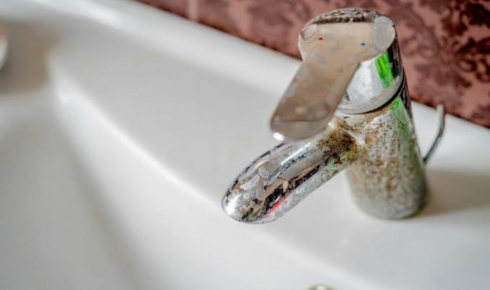
Most people don’t think too much about the water running through their home. You turn on the tap, fill a kettle, take a shower, run the dishwasher, and that’s that. Water is just water, right? Well, not always. Sometimes the water coming into a house carries minerals that slowly leave their mark on plumbing, appliances, surfaces, laundry, and even the way your skin feels after a shower.
That’s where hard water becomes more than just a household inconvenience. It’s not dangerous in the dramatic way people sometimes imagine, but it can be stubborn, annoying, and surprisingly expensive over time. The tricky part is that its effects don’t always show up overnight. They creep in little by little, until one day you notice cloudy glasses, crusty taps, stiff towels, or a water heater that doesn’t seem to work like it used to.
What Makes Water “Hard” Anyway?
Water naturally picks up minerals as it travels through soil, rock, and underground layers before reaching your home. In many areas, especially places with limestone or chalk-rich ground, that water collects higher levels of minerals. By the time it reaches your pipes, it may look perfectly clear, but it is carrying more than you can see.
The main minerals behind this issue are calcium and magnesium. They are naturally occurring, and in small amounts they are not unusual at all. The problem begins when levels are high enough to interfere with everyday household use. Soap doesn’t lather properly. Appliances work harder. Fixtures lose their shine. And that clean, fresh feeling after washing can feel slightly off, like there’s a thin film left behind.
The Signs Are Usually Hiding in Plain Sight
One of the first clues is often in the bathroom. White spots on shower doors, chalky rings around taps, and stubborn marks on tiles can all point to mineral-heavy water. You scrub them away, they come back. You try another cleaner, they come back again. It can feel like the house is working against you.
In the kitchen, the signs are just as familiar. Glasses come out of the dishwasher looking cloudy. Kettles and coffee machines collect crusty deposits inside. Pots may have pale stains after boiling water. Even tea and coffee can taste a bit flat or different because the water is affecting the flavour.
Laundry can suffer too. Clothes may feel rougher, colours may fade faster, and towels can lose that soft, fluffy feel. It’s one of those things people often blame on detergent, fabric quality, or the washing machine. Sometimes, though, the water is quietly playing a big role.
Why It Can Cost More Than You Think
The visible mess is annoying, but the hidden damage is usually the bigger issue. Inside pipes, water heaters, dishwashers, washing machines, and boilers, minerals can collect gradually. This is where scale buildup becomes a real problem. It narrows water flow, reduces heating efficiency, and forces appliances to use more energy to do the same job.
A water heater, for example, may need to work harder because mineral deposits settle around heating elements or inside the tank. That means higher energy use and possibly a shorter lifespan for the unit. A dishwasher may stop cleaning properly. A washing machine may need more repairs. None of it feels connected at first, but over time, the costs add up.
It’s a bit like dust gathering behind a fridge. You don’t notice it every day, but it affects performance in the background.
Skin, Hair, and That “Not Quite Clean” Feeling
Many people first complain about mineral-rich water because of how it feels on the body. After a shower, skin can feel dry or tight. Hair may feel dull, heavy, or harder to manage. Shampoo might not rinse out as easily, and soap can leave a slight residue.
This doesn’t mean the water is unsafe to bathe in. It simply means the minerals are changing how soaps and shampoos perform. Instead of creating a rich lather and rinsing away cleanly, they can react with minerals and leave behind a film. For people with sensitive skin, that can be especially frustrating.
And honestly, no one enjoys stepping out of the shower feeling like they need another rinse.
Can You Fix the Problem?
Yes, and the right solution depends on how serious the issue is. A basic water test is usually the best place to start. It gives a clearer picture of mineral levels and helps avoid guessing. Some homes may only need a targeted filter for drinking water, while others benefit more from a whole-home treatment system.
Water softeners are commonly used to reduce mineral hardness before water moves through the house. This can help protect plumbing, improve soap performance, reduce spotting, and extend the life of appliances. In some cases, additional filtration may be useful too, especially if there are taste, odour, sediment, or other water quality concerns.
The key is not to buy blindly. A system should match the actual water conditions in the home.
Small Habits Still Help
Even before installing a treatment system, a few habits can reduce the hassle. Wiping down shower doors after use can slow spotting. Descaling kettles and coffee machines regularly keeps them working better. Using the right amount of detergent, not more than needed, can help with laundry results.
Still, these are maintenance tricks, not long-term fixes. They help manage symptoms, but they don’t change what’s entering the home through the main water supply.
A Better Home Starts at the Tap
Water quality affects more of daily life than most people realise. It touches your morning coffee, your shower, your laundry, your plumbing, and the appliances you rely on without thinking. When mineral-heavy water is left untreated, it doesn’t usually create one big disaster. It creates a hundred small frustrations.
That’s why paying attention early is worth it. A simple test, a practical solution, and a bit of regular care can make the home feel cleaner, smoother, and easier to maintain. Not perfect, of course. Homes never are. But fewer stains, softer laundry, better appliance performance, and water that simply behaves better? That’s a pretty good place to start.