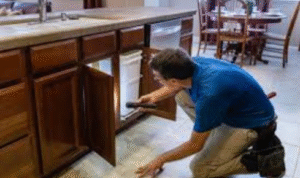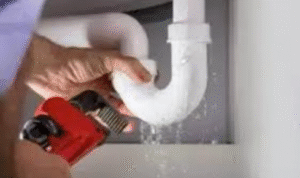
Under-sink cabinets tend to become storage caves. Bottles, cloths, random things stuffed in. If a small leak starts—a loose joint, a tiny crack in a pipe—you might not notice until the base is soaking and mouldy.
A quick peek every now and then, with a torch if needed, helps. Look for small water rings, swollen wood, white mineral marks, or damp patches. Even a slow drip, over weeks, can lead to rot and bad smells.
Catching it early means a simple tightening or minor repair, instead of replacing cabinets and dealing with lingering odours.
Useful related reads:
- How can watching water colour when you first run a tap tell you if pipes need attention?
- What benefit is there in keeping plumber contact details visible near the main valve location?
- How can installing a simple hose tap near balconies or utility areas make cleaning easier?
- Why is it better not to pour cooking oil and grease straight into kitchen drains?