Indoor comfort depends on more than setting the thermostat to the right temperature. The air moving throughout a home passes through a network of ducts that can gradually collect dust, pet hair, debris, and other particles. When those ducts are neglected for years, the buildup can affect airflow, cleanliness, and the overall efficiency of the HVAC system.
Air duct cleaning is often overlooked because most of the ductwork is hidden behind walls, ceilings, and floors. Homeowners may clean visible vents regularly while assuming everything behind them is equally clean. In reality, the interior of a duct system can accumulate contaminants over time, especially in homes with pets, recent renovations, heavy HVAC use, or high levels of airborne dust.
Understanding when duct cleaning is useful can help homeowners make informed decisions about their indoor environment and HVAC maintenance.
How Air Ducts Become Dirty Over Time
Every time a heating or cooling system operates, air is pulled through return vents, conditioned by the HVAC equipment, and distributed throughout the home. Although HVAC filters capture many airborne particles, they do not stop everything.
Small amounts of dust can enter the duct system and gradually settle along interior surfaces. Pet hair, construction debris, pollen, and other particles may also find their way into the ductwork.
Older homes may have accumulated years of debris, particularly if the ducts have never been professionally inspected or cleaned.
Renovation projects can also create significant amounts of fine dust. Drywall sanding, flooring work, demolition, and remodeling can release particles that spread through the property. If the HVAC system is operating during construction, some of that material may enter the duct network.
Signs Your Air Ducts May Need Attention
Not every dusty vent means the entire duct system needs cleaning. However, certain signs can indicate that an inspection may be worthwhile.
One noticeable symptom is dust collecting quickly around supply vents or registers. Homeowners may also notice small particles being released when the HVAC system starts.
Uneven airflow can sometimes indicate airflow restrictions, although this can also be caused by equipment problems, blocked vents, damaged ducts, or incorrect system design.
Another common situation involves unusual odors coming from vents. If odors appear primarily when the heating or cooling system starts, the duct system may be one area worth investigating.
Homes that have recently undergone major remodeling may also benefit from having the ductwork inspected, particularly when large amounts of dust were created during construction.
Airflow and HVAC Performance
An HVAC system depends on consistent airflow to operate efficiently. Air needs to move freely through return ducts, the heating or cooling equipment, and supply ducts before reaching each room.
Excessive debris inside the duct system can potentially interfere with airflow in certain situations. More importantly, clogged filters, dirty coils, blocked registers, damaged ductwork, or improperly sized ducts can place additional strain on the system.
For this reason, duct cleaning should be viewed as one part of broader HVAC maintenance rather than a solution for every comfort problem.
A qualified technician can inspect the system and determine whether cleaning, repairs, filter replacement, or another type of service is most appropriate.
Cleaner Ducts Can Support a Cleaner Home
Dust inside a home comes from many sources, including clothing fibers, outdoor particles, pets, furniture, carpets, and normal daily activity.
The HVAC system continuously circulates air throughout the property. When significant debris has accumulated inside the duct network, some particles may eventually move through registers and return to living spaces.
Cleaning contaminated ductwork can remove accumulated material from areas that homeowners cannot reach with normal household cleaning.
Homeowners searching for a Professional Air Duct Cleaning Service should look for technicians who clean the duct system thoroughly rather than simply vacuuming around visible vents.
A complete service generally requires specialized equipment capable of reaching deep into the duct network.
What Happens During Professional Duct Cleaning
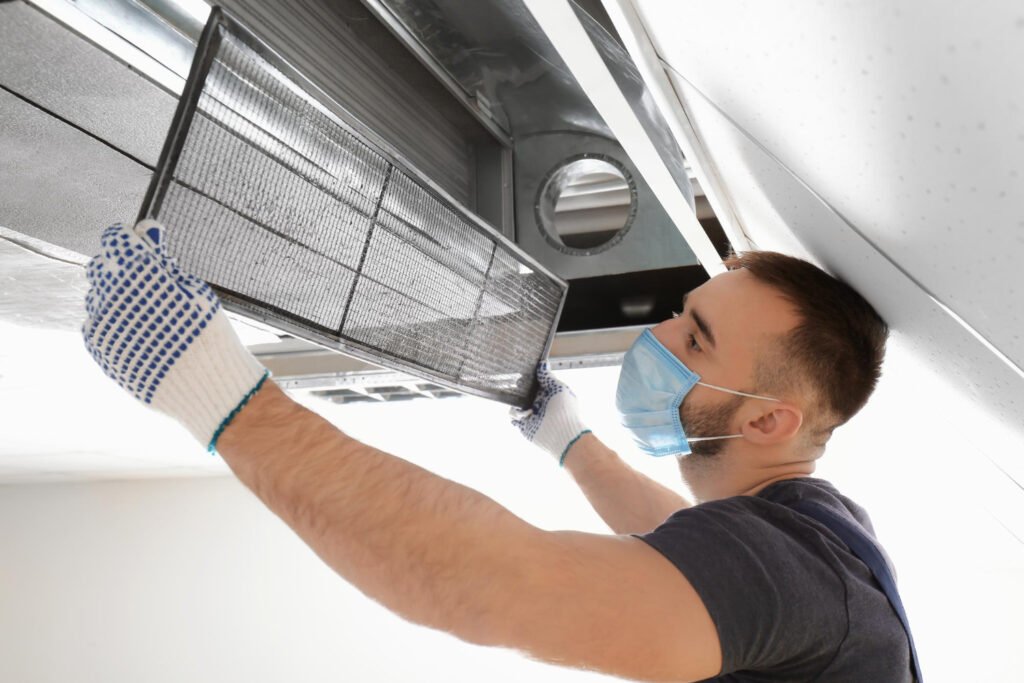
Professional air duct cleaning usually begins with an evaluation of the HVAC system and accessible ductwork.
Technicians may inspect supply vents, return vents, main trunk lines, and other accessible sections of the system. This helps determine how much debris is present and whether cleaning is appropriate.
Specialized vacuum equipment is then used to collect loosened contaminants. Various agitation tools may be used to remove material attached to interior duct surfaces.
The goal is to remove debris from the duct system while preventing particles from spreading into the home during the cleaning process.
Technicians may also inspect accessible duct connections for visible damage, gaps, or other problems that could affect airflow.
The exact procedure can vary depending on the layout of the home, the type of ductwork, and the condition of the HVAC system.
Why Simply Cleaning Vent Covers Is Not Enough
Vent covers naturally collect dust because they are exposed to the rooms they serve. Removing and cleaning them can improve appearance, but it does not necessarily remove debris deeper inside the system.
A typical residential duct network may extend throughout multiple rooms, ceilings, walls, and attic spaces. Much of this ductwork cannot be reached using household vacuum equipment.
Professional cleaning equipment is designed to remove contaminants from areas far beyond the registers.
Homeowners should still clean vent covers periodically, but it is important to understand the difference between surface cleaning and cleaning the actual duct system.
Homes With Pets May Need More Frequent Inspection
Pets contribute significantly to indoor dust and debris.
Hair and dander can circulate through the HVAC system, particularly in homes with multiple pets or animals that shed heavily. Filters capture much of this material, but some particles may still enter the duct system.
Changing HVAC filters regularly is one of the simplest ways to reduce buildup.
Pet owners may want to check filters more frequently because they can become dirty faster than filters in homes without animals.
Keeping floors, furniture, and return vent areas clean can also reduce the amount of material entering the HVAC system.
Renovations Can Fill a Home With Fine Dust
Construction dust is particularly difficult to control.
Even when contractors use plastic barriers and other containment methods, fine particles can travel throughout a property.
Drywall sanding is one of the biggest sources of airborne construction dust. Cutting wood, tile, concrete, or other materials can also create large quantities of small particles.
After major renovations, homeowners should replace HVAC filters and inspect vents for excessive dust.
If significant debris entered the system, a professional duct inspection may be beneficial.
Duct Cleaning Should Be Combined With Good HVAC Maintenance
Cleaning ducts without addressing other HVAC maintenance needs may provide limited long-term value.
Filters should be replaced according to manufacturer recommendations and household conditions. Homes with pets, heavy HVAC usage, or higher dust levels may require more frequent replacement.
Return vents should remain unobstructed so the system can pull in enough air. Supply registers should also remain open unless an HVAC professional recommends otherwise.
HVAC equipment should be inspected periodically to ensure components such as coils, blower motors, and drainage systems are operating correctly.
Duct connections should also be checked for leaks because damaged or disconnected ducts can reduce efficiency and allow contaminants from attics or crawl spaces to enter the system.
Choosing the Right Air Duct Cleaning Company
Homeowners should be cautious when choosing a duct cleaning provider.
Extremely low advertised prices can sometimes indicate a limited service that covers only a few vents before additional charges are introduced.
Before scheduling service, homeowners should ask what areas of the duct system are included, what equipment will be used, and whether the technician will inspect the system before cleaning.
Clear explanations and transparent pricing are usually signs of a more professional service.
It is also helpful to choose a company that understands HVAC airflow and duct systems rather than treating duct cleaning as a simple vacuuming job.
Improve Your Indoor Environment With Proper Duct Care
Air ducts play an important role in delivering heated and cooled air throughout a home, yet they are rarely seen or considered during routine cleaning.
Over time, dust, pet hair, construction debris, and other contaminants can accumulate inside the duct network. While every home does not require frequent duct cleaning, certain conditions can make professional inspection and cleaning worthwhile.
Homeowners can reduce buildup by changing HVAC filters regularly, keeping return vents clean, controlling indoor dust, and maintaining the heating and cooling system.
When significant contamination is present, professional duct cleaning can remove debris from areas that ordinary household cleaning cannot reach.
Taking care of the duct system as part of overall HVAC maintenance can help support consistent airflow, a cleaner indoor environment, and better long-term system performance.