As cities continue to grow vertically, multi-storey buildings have become a defining feature of modern urban development. From residential apartment complexes and hotels to office towers and mixed-use developments, these structures help maximize available space while accommodating growing populations and business needs.
However, managing wastewater and drainage in multi-storey buildings is often more complex than in traditional low-rise properties. The greater the building height and occupancy, the more critical it becomes to ensure that wastewater systems are designed to operate efficiently and reliably.
Understanding the most common drainage challenges in multi-storey buildings—and the solutions available to address them—can help developers, architects, facility managers, and property owners avoid costly issues while improving long-term building performance.
The Complexity of Multi-Storey Drainage Systems
Unlike single-storey buildings, multi-storey properties require wastewater to travel through extensive networks of pipes, stacks, pumps, and drainage infrastructure.
Every floor contributes to the overall wastewater load, making proper system design essential. Even minor drainage issues can quickly affect multiple occupants, leading to inconvenience, maintenance costs, and potential damage to building infrastructure.
As building designs become more sophisticated, drainage systems must be able to support both operational efficiency and flexibility in layout.
Challenge 1: Limited Access to Gravity Drainage
One of the most common drainage challenges occurs when fixtures are located far from the main drainage stack or below the primary sewer connection point.
In many renovation and fit-out projects, developers may wish to add bathrooms, kitchens, or utility spaces in locations where traditional gravity drainage is difficult to achieve.
Modern wastewater management solutions help overcome this challenge by enabling wastewater to be transported through compact pipe systems without requiring extensive structural modifications.
This flexibility allows building owners to make better use of available space while reducing installation complexity.
Challenge 2: Adding Bathrooms in Non-Traditional Locations
As building layouts evolve, there is often a need to add bathrooms in areas that were not originally designed for sanitary facilities.
For example, commercial offices may require additional washrooms, hotels may seek to improve guest amenities, and residential properties may undergo internal renovations.
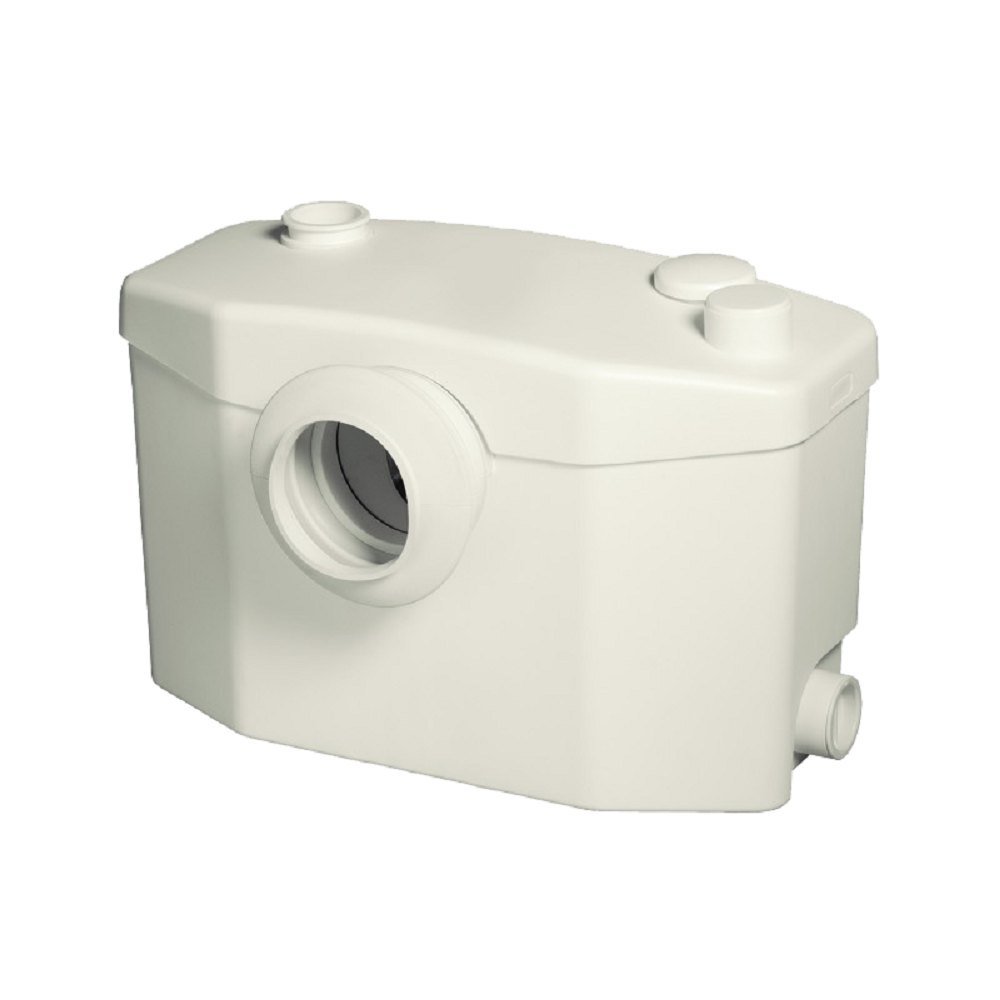
Solutions such as the Sanipro XR help simplify bathroom installations by allowing wastewater to be discharged efficiently even when direct gravity drainage is not practical. This makes it easier to create functional bathroom spaces while minimizing disruption to existing building infrastructure.
Challenge 3: Managing Wastewater from Showers and Basins
In many multi-storey developments, drainage challenges are not limited to toilets alone. Showers, washbasins, and utility sinks also require reliable wastewater removal, particularly in locations where conventional drainage layouts present limitations.
Specialized greywater pumping solutions such as the Sanishower are designed to handle wastewater from showers and basins efficiently. These systems provide greater flexibility for architects and designers while helping ensure consistent drainage performance throughout the building.
As a result, property owners can install additional sanitary fixtures without major alterations to existing plumbing systems.
Challenge 4: Increasing Wastewater Volumes
Multi-storey buildings often accommodate hundreds or even thousands of occupants. As occupancy increases, wastewater volumes also rise significantly.
Without proper planning, drainage systems may experience:
- Slow drainage
- Frequent blockages
- Increased maintenance requirements
- Higher risk of system failures
To address these challenges, engineers must design systems that can accommodate peak demand while maintaining reliable performance under varying usage conditions.
Regular maintenance and proper equipment selection also play an important role in ensuring long-term operational efficiency.
Challenge 5: Retrofitting Older Buildings
Many older multi-storey buildings were constructed before modern plumbing requirements and building usage patterns emerged.
Renovation projects often involve converting spaces, adding amenities, or upgrading facilities to meet current standards. However, modifying traditional drainage infrastructure can be expensive and disruptive.
Modern wastewater pumping technologies provide a practical alternative by reducing the need for extensive demolition and pipe relocation. This enables building owners to modernize their properties while minimizing downtime and construction costs.
The Importance of Preventive Maintenance
Even the best-designed drainage systems require ongoing maintenance to operate effectively.
Routine inspections can help identify potential issues before they become major problems. Preventive maintenance practices may include:
- Inspecting pumps and pipework
- Monitoring system performance
- Cleaning drainage components
- Checking control systems
- Addressing minor issues promptly
A proactive maintenance strategy helps extend equipment lifespan while reducing the likelihood of unexpected failures.
The Role of SFA India in Modern Drainage Solutions
As building designs continue to evolve, SFA India provides innovative wastewater management solutions that help address a wide range of drainage challenges.
From bathroom macerators and greywater pumps to lifting stations and wastewater management systems, SFA technologies are designed to support both new construction and renovation projects. Solutions such as the Sanipro XR and Sanishower help property owners and developers overcome drainage limitations while improving flexibility in building design.
By enabling efficient wastewater transport in challenging environments, SFA solutions support the growing demands of modern multi-storey developments.
Looking Ahead
As urban development continues to move upward, the importance of efficient drainage infrastructure will only increase.
Multi-storey buildings present unique wastewater management challenges, but advances in pumping technology and drainage solutions are making it easier than ever to overcome these obstacles.
By combining thoughtful planning, modern wastewater technologies, and proactive maintenance practices, developers and facility managers can create buildings that deliver reliable drainage performance while meeting the evolving needs of occupants.
The future of multi-storey construction depends not only on architectural innovation but also on the infrastructure systems that keep buildings functioning efficiently every day.