How can thinking about where water is likely to drip influence which flooring you pick for entry areas?

Date:

Share:

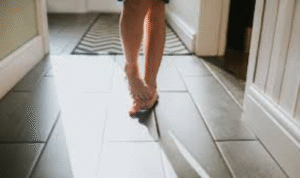
Entry areas deal with wet umbrellas, rainy shoes, dripping bags, and sometimes spilled drinks. If you choose a floor that stains easily with water, gets very slippery when wet, or takes ages to dry, you’re setting yourself up for constant stress.

Thinking ahead—“This is where wet stuff lands”—pushes you towards more practical options for that zone: tiles with grip, textured stone, or at least a mat plus a surface that won’t get ruined by the occasional puddle.

It’s not that other materials are banned; you just need to be realistic about how the space is actually used on messy days, not just how it looks on a perfect day.

━ more like this

How can rotating photos or artwork in frames seasonally keep your home feeling updated without buying new pieces?

Frames don’t have to hold the same photos or prints forever. Over time, you stop noticing them, the same way you stop noticing a...

What difference does aligning table centrepieces with the width of the table make to overall neatness?

A centrepiece that’s off-centre or too big for the table can make everything look slightly untidy, even if nothing else is actually messy. When you...

How can adding a floor lamp in a dim corner change how much you use that part of the room?

Dark corners become dead corners. You naturally avoid sitting there because it feels gloomy, even if the chair itself is comfortable. A floor lamp, especially...

Why does leaving a little floor space visible around big furniture pieces make rooms feel less cramped?

When large furniture—sofas, beds, cupboards—eat up every inch of floor and touch every wall, rooms feel heavy and tight. You can’t see much of...

How can grouping decor in odd numbers, like threes or fives, make shelves look more balanced?

There’s a funny thing about how our eyes see arrangements. Odd numbers—3, 5, 7—tend to look more natural and dynamic than even pairs, which...