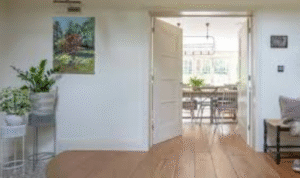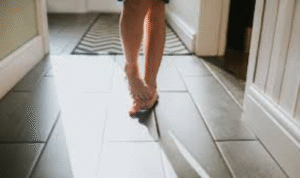
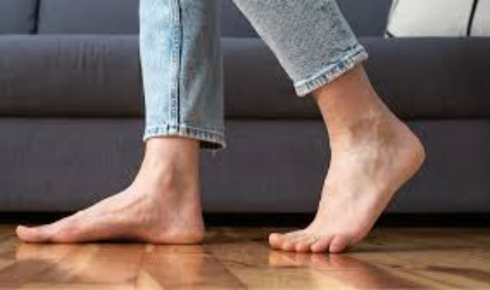
Showrooms often encourage you to feel floors with your hands or walk briefly in shoes. But at home, you’ll be stepping on them barefoot or in socks most of the time.
Bare feet and socks instantly tell you if a surface is too cold, too hard, too rough, or a bit slippery. You’ll notice which ones feel gentle and which ones feel “ouch” after just a few steps. For kids and older people, that difference matters even more.
Trying a few samples this way helps you pick a material that fits your lifestyle, not just your eyes. Comfort is a daily experience; looks fade into the background after a few weeks.
Useful related reads:
- Why Floors Crack, Warp & Soften: Causes Revealed
- How can thinking about where water is likely to drip influence which flooring you pick for entry areas?
- What difference does choosing a floor tone close to existing furniture wood tones make visually?
- How can using protective mats under desk chairs prevent damage to certain types of flooring?