
Wardrobes often sit against external walls or bathrooms. If moisture slowly starts seeping through, the first victims are the back panels and corners inside cabinets. You might not notice until your clothes smell musty or mould spots appear on fabric.
By occasionally pulling out a few items and shining a torch at the back and lower corners, you can catch early signs: slight discolouration, swelling, soft patches, or small mould spots.
Early detection means you can tackle the source—leak, seepage, poor ventilation—before the entire wardrobe and contents are affected. It’s much cheaper to fix a small patch of damp wall now than to replace swollen carpentry later.
Useful related reads:
- How can noting unusual buzzing or humming sounds from appliances alert you to upcoming failures?
- How can wiping remote controls and switch plates regularly improve hygiene quietly?
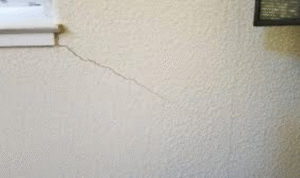
- Why should you watch for tiny cracks near window corners as part of regular checks?
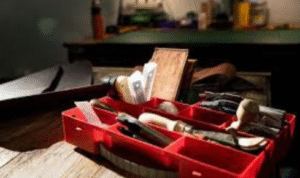
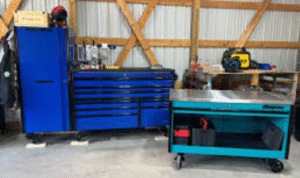
- How can keeping one basic toolbox at home save time when small fixes pop up?