
How can painting only one accent wall change the energy of a room without overwhelming it?

Date:

Share:

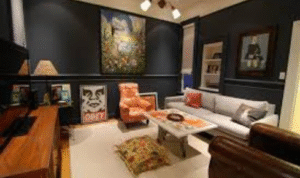
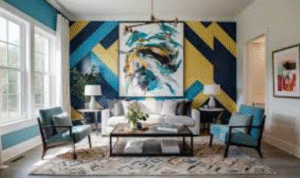
Sometimes you want colour but don’t want to commit to making the whole room dark or intense. An accent wall lets you play. One wall—behind the bed, behind the sofa, or at the end of a corridor—gets the deeper or bolder shade, while the other walls stay lighter.

This creates a focal point. The eye is drawn there, which can help define where the “main area” of the room is. At the same time, the rest of the space stays open and bright, so you don’t feel boxed in.

If you get bored, repainting one wall is quicker and cheaper than redoing everything.

━ more like this

How can rotating photos or artwork in frames seasonally keep your home feeling updated without buying new pieces?

Frames don’t have to hold the same photos or prints forever. Over time, you stop noticing them, the same way you stop noticing a...

What difference does aligning table centrepieces with the width of the table make to overall neatness?

A centrepiece that’s off-centre or too big for the table can make everything look slightly untidy, even if nothing else is actually messy. When you...

How can adding a floor lamp in a dim corner change how much you use that part of the room?

Dark corners become dead corners. You naturally avoid sitting there because it feels gloomy, even if the chair itself is comfortable. A floor lamp, especially...

Why does leaving a little floor space visible around big furniture pieces make rooms feel less cramped?

When large furniture—sofas, beds, cupboards—eat up every inch of floor and touch every wall, rooms feel heavy and tight. You can’t see much of...

How can grouping decor in odd numbers, like threes or fives, make shelves look more balanced?

There’s a funny thing about how our eyes see arrangements. Odd numbers—3, 5, 7—tend to look more natural and dynamic than even pairs, which...