A loose screw, a stuck drawer, a frame that needs hanging – these are tiny jobs that don’t really need a professional. But if you don’t have even basic tools, they pile up and become constant annoyances.
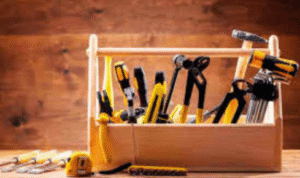
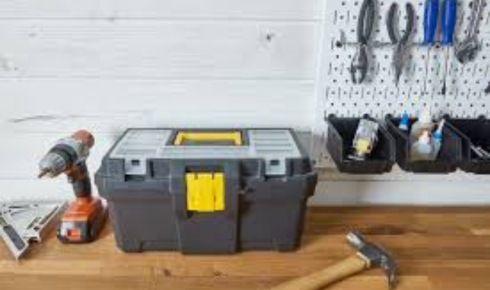
A simple toolbox with a screwdriver set, hammer, measuring tape, small pliers, utility knife, some nails and wall plugs solves half your daily irritation. When something shifts, you can fix it on the spot instead of saying, “I’ll call someone… someday.”
It doesn’t mean you’re suddenly a DIY master. It just means you’re not helpless when the smallest thing goes wrong. Over time, those tiny fixes keep your home feeling cared for instead of slowly falling apart at the edges.
Useful related reads:
- How can noting unusual buzzing or humming sounds from appliances alert you to upcoming failures?
- What benefit is there in checking wardrobe backs and corners for early signs of dampness?
- How can wiping remote controls and switch plates regularly improve hygiene quietly?
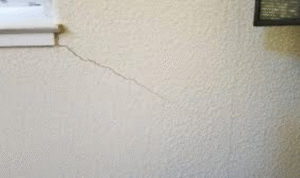
- Why should you watch for tiny cracks near window corners as part of regular checks?