How can turning one unused corner into a mini reading spot make a home feel more lived-in?

Date:

Share:

Almost every home has a dead corner: near a window, beside a wardrobe, under the stairs, next to a balcony door. Nothing really happens there; it just collects dust or random things.

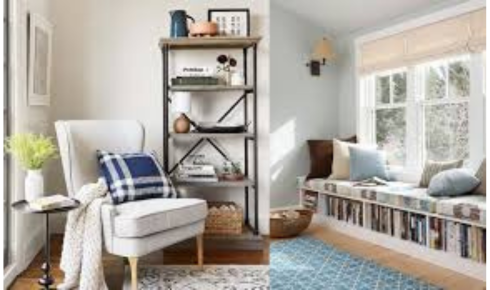
Turning that into a small reading spot instantly adds life. You don’t need a full library setup. A comfortable chair, a small side table, and a floor or wall lamp are enough. Maybe add a cushion and throw. Suddenly, that corner has a purpose.

You’ll notice you start drifting there with your phone, a book, or just to stare out of the window for five minutes. Guests naturally gravitate to it too. It stops the room from feeling like a showpiece and makes it feel genuinely “lived-in.”

It’s a simple trick: you’re not adding more square footage, you’re just using what you already had in a more human way.


━ more like this

How can rotating photos or artwork in frames seasonally keep your home feeling updated without buying new pieces?

Frames don’t have to hold the same photos or prints forever. Over time, you stop noticing them, the same way you stop noticing a...

What difference does aligning table centrepieces with the width of the table make to overall neatness?

A centrepiece that’s off-centre or too big for the table can make everything look slightly untidy, even if nothing else is actually messy. When you...

How can adding a floor lamp in a dim corner change how much you use that part of the room?

Dark corners become dead corners. You naturally avoid sitting there because it feels gloomy, even if the chair itself is comfortable. A floor lamp, especially...

Why does leaving a little floor space visible around big furniture pieces make rooms feel less cramped?

When large furniture—sofas, beds, cupboards—eat up every inch of floor and touch every wall, rooms feel heavy and tight. You can’t see much of...

How can grouping decor in odd numbers, like threes or fives, make shelves look more balanced?

There’s a funny thing about how our eyes see arrangements. Odd numbers—3, 5, 7—tend to look more natural and dynamic than even pairs, which...